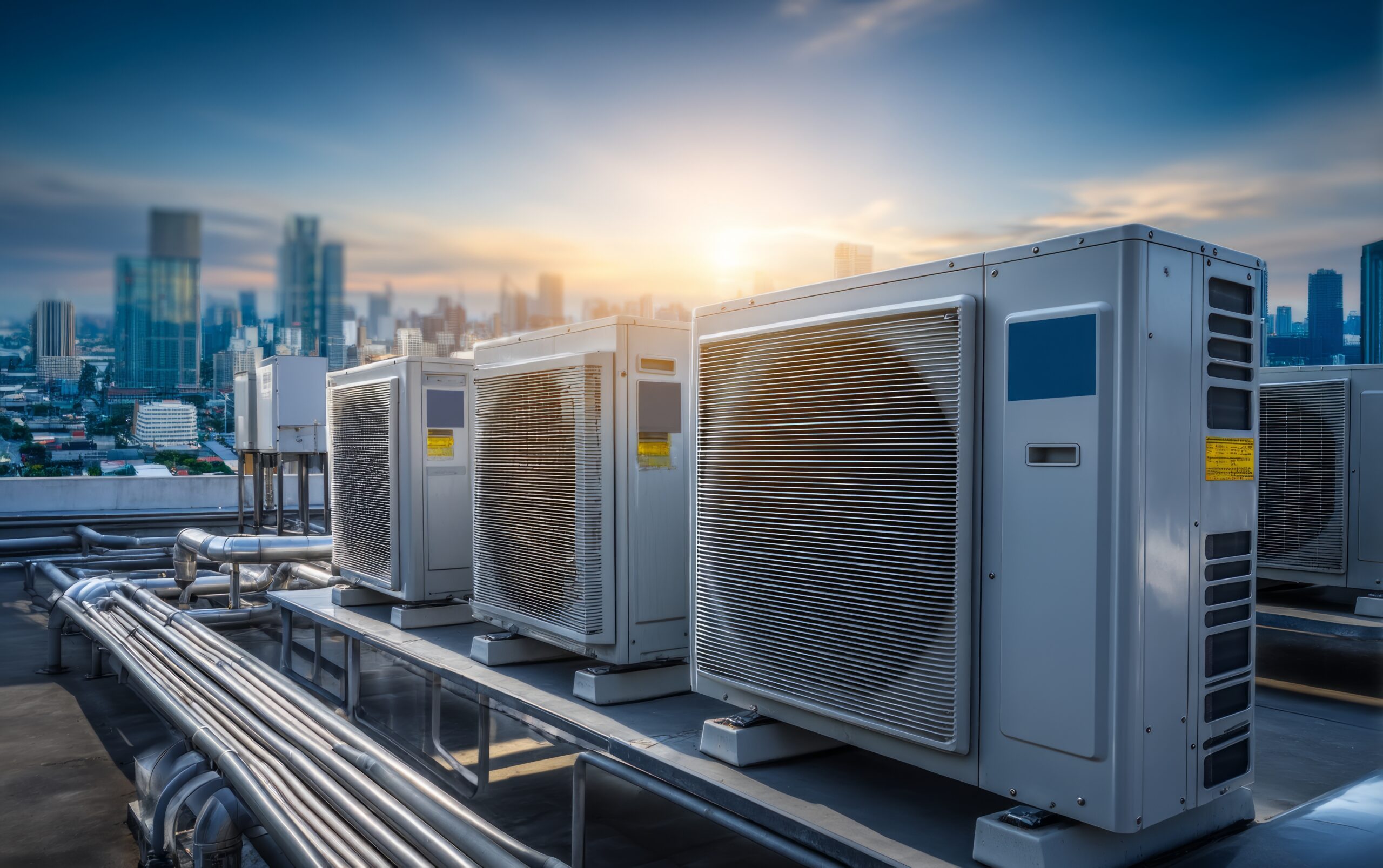
When Denver hits triple digits in August, your air conditioner is going to run. A lot. For many homeowners, that nonstop hum from the system becomes a source of anxiety, especially when the electric bill climbs and the house still feels warmer than the thermostat setting. The good news is that some of what you are experiencing is completely normal behavior for an air conditioner working hard against extreme heat. The more important news is that some of it is not normal, and knowing the difference can save you from an expensive breakdown at the worst possible time. Aspire Building Services helps Denver homeowners diagnose HVAC problems before they become emergencies, and this guide walks through exactly what to expect from your AC during a heat wave and what warrants a professional look.
What Your AC Is Actually Doing During Extreme Heat
Your air conditioner is designed to maintain a temperature difference between the outside air and your indoor setting. Most residential systems are designed to handle a differential of around fifteen to twenty degrees. When Denver outdoor temperatures push into the upper nineties or above one hundred degrees, and your thermostat is set to seventy-five, the system is being asked to manage a gap that exceeds what it was sized for.
The result is an air conditioner that runs almost continuously without fully satisfying the thermostat. This is not necessarily a malfunction. It is the system doing exactly what it was designed to do under conditions that are beyond its design parameters. The distinction between normal extended runtime during extreme heat and a system that is genuinely struggling with a mechanical or design problem is where the diagnostic work begins.
Understanding this distinction matters because Denver’s summer heat waves are not brief inconveniences. They can persist for days or weeks, and a system that is borderline functional on a ninety degree day becomes a failing system on a hundred and five degree day. Catching the warning signs early gives you options. Waiting until the system stops working entirely on the hottest day of the year gives you one option, and it is the most expensive one. AC repair services from Aspire Building Services provide the diagnostic expertise that identifies whether your system is working hard or working wrong.
When Constant Running Is Normal
Your AC is behaving normally during a heat wave if the indoor temperature is staying within a degree or two of your thermostat setting even though the system is running continuously. The system is winning the battle even if it is not winning easily. Normal continuous operation during extreme heat looks like this: the system runs for extended periods, the house stays reasonably close to the set temperature, the air coming from the vents feels cold, and the outdoor unit is running steadily without stopping and starting repeatedly.
If your home reaches the set temperature eventually, even slowly, and the system then cycles off briefly before the indoor temperature rises and triggers another run cycle, that is also normal extended-heat behavior. The cycle times will be longer than on a mild day, but the fundamental pattern of running, reaching the target, and cycling off is the system functioning as designed under difficult conditions.
Denver homeowners in older or less well-insulated homes will experience more pronounced versions of this pattern because those homes lose conditioned air more quickly to the outdoor heat. The system has to run longer to achieve the same result. This is not necessarily a problem with the HVAC system. It may be a problem with the building envelope, which is a separate conversation worth having when temperatures return to normal.
When Constant Running Is a Warning Sign
The situations where continuous AC operation during a heat wave signals a genuine problem rather than normal struggle are specific and worth knowing before you dismiss the behavior as weather-related.
The system runs continuously but the indoor temperature keeps rising rather than holding steady or gradually approaching the set point. If your home is climbing in temperature despite continuous operation, the system is not keeping up in a way that suggests a mechanical problem rather than simply extreme conditions. A properly functioning system should be able to hold indoor temperatures relatively stable even if it cannot reach the thermostat setting, as long as the heat wave conditions are within a reasonable range.
The air coming from the supply vents is not cold. During normal operation, supply air should feel noticeably cold even during extended run cycles. If the air feels cool but not cold, or room temperature, the system may be low on refrigerant, have a dirty evaporator coil, or have a failing compressor. None of these problems resolve themselves and all of them get worse under the sustained stress of a heat wave. Residential HVAC services from Aspire Building Services cover the full diagnostic and repair scope for these types of problems.
The system cycles on and off rapidly rather than running in extended cycles. Short cycling, where the system runs for a few minutes and then shuts off before the thermostat is satisfied only to start again quickly, is a warning sign that something is wrong with the system regardless of outdoor conditions. Short cycling can indicate refrigerant problems, compressor issues, electrical problems, or an oversized system that cools too quickly and triggers a premature shutoff. None of these are weather-related and all of them require professional diagnosis.
Ice is forming on the indoor unit, the refrigerant lines, or visible components of the system. Ice on an air conditioner during operation is counterintuitive but is actually a sign of a problem, typically restricted airflow from a dirty filter or blocked return, low refrigerant, or a failing blower. When ice forms, the system’s ability to cool is compromised, and continuing to run the system in this state can damage the compressor.
The Airflow Factor: Why It Matters More During a Heat Wave
Airflow problems that a system manages adequately on mild days become significant problems during extreme heat because the system has less margin for inefficiency when it is already working at its limits.
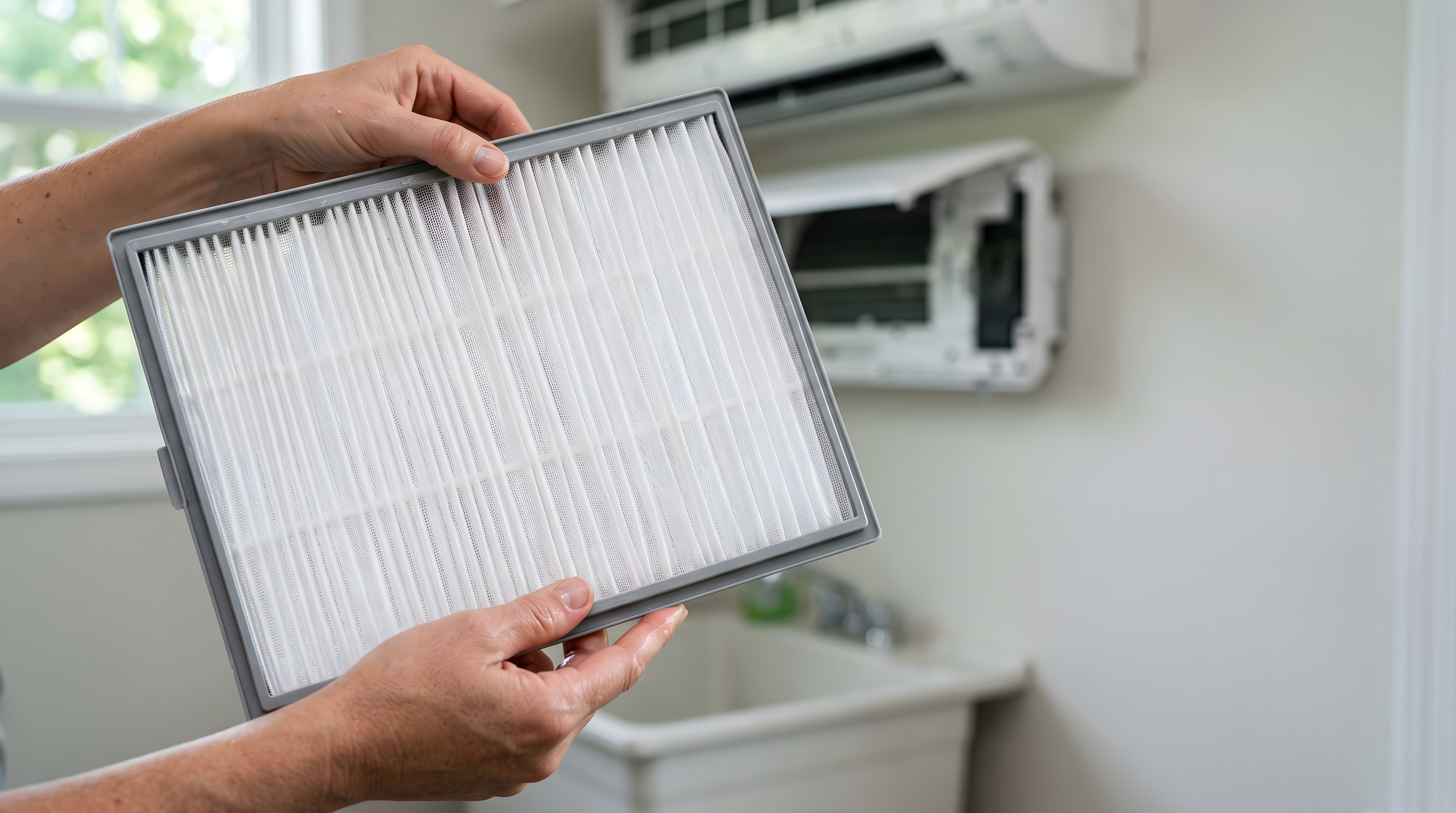
A dirty air filter that reduces system airflow by twenty percent is a minor performance issue when outdoor temperatures are eighty degrees. The same dirty filter during a hundred degree heat wave pushes a system that is already at its capacity over the edge into the territory where it cannot maintain indoor temperatures at all. Checking and replacing the air filter is the first diagnostic step for any Denver homeowner whose system seems to be struggling during extreme heat.
Blocked or closed supply registers in rooms that are not being used create pressure imbalances in the duct system that reduce overall system efficiency and airflow. The instinct to close registers in unused rooms to redirect air to occupied rooms actually works against the system’s design and can cause problems. All registers should be open during a heat wave to allow the system to operate as designed.
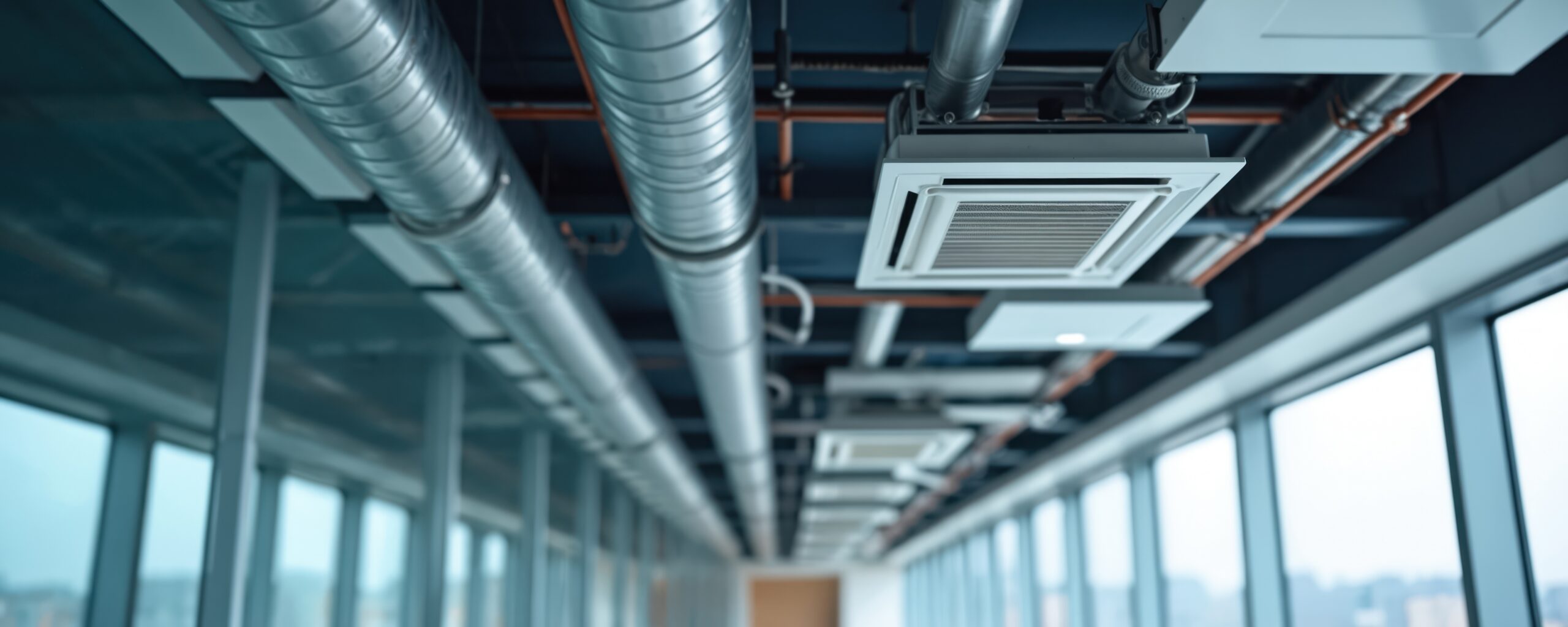
Duct leakage that allows conditioned air to escape into unconditioned spaces like attics or crawl spaces before it reaches the living areas is another airflow problem that becomes more significant during extended heat waves. A duct system that loses fifteen to twenty percent of conditioned air to leakage is a system that cannot deliver its rated capacity to the living space, which makes the temperature maintenance problem worse during exactly the conditions when it matters most.
The Refrigerant Question
Refrigerant is the medium that allows your air conditioner to transfer heat from inside your home to the outside air, and a system that is low on refrigerant cannot perform this transfer efficiently regardless of how hard the compressor works.
Low refrigerant is not a normal consumable situation. Refrigerant does not get used up during normal operation. If a system is low on refrigerant, it means there is a leak somewhere in the system that needs to be found and repaired before refrigerant is added. Simply topping off a system without fixing the underlying leak is a temporary measure that will require repeating and that can mask a growing problem.
The symptoms of low refrigerant include warm or insufficiently cold supply air, ice formation on the evaporator coil or refrigerant lines, longer than normal run times even accounting for heat wave conditions, and in more severe cases the hissing or bubbling sound of refrigerant escaping through a leak. Any of these symptoms during a heat wave warrant a professional diagnosis rather than waiting to see if the situation improves when temperatures drop.
Sizing: The Problem That Heat Waves Expose
An air conditioner that is undersized for the home it serves will perform adequately on mild days but will fail to maintain comfort during the extended high-temperature conditions of a Denver heat wave. Conversely, an oversized system that was incorrectly specified will short cycle, fail to properly dehumidify the air, and create comfort problems that are distinct from the temperature maintenance problems of an undersized system.
Denver homeowners who have recently added square footage, finished a basement, replaced windows, or significantly changed the insulation of their home may find that a system that worked well before these changes is no longer sized appropriately for the current building. A heat wave is when this mismatch becomes undeniable.
The solution to a sizing problem is not a quick repair. It is a proper load calculation that determines the correct system capacity for the home as it currently exists, followed by a system replacement or supplemental cooling addition that matches the result. Installations and upgrades from Aspire Building Services include the load calculation and equipment selection process that produces a correctly sized system for Denver homes. Understanding your options between central air and inverter air conditioning can help homeowners evaluate whether a different system type might serve their home better under Denver’s demanding summer conditions.
What to Do Right Now If Your System Is Struggling
If your air conditioner is running constantly and your home is not maintaining a comfortable temperature during a Denver heat wave, there are a few things you can check before calling for service.
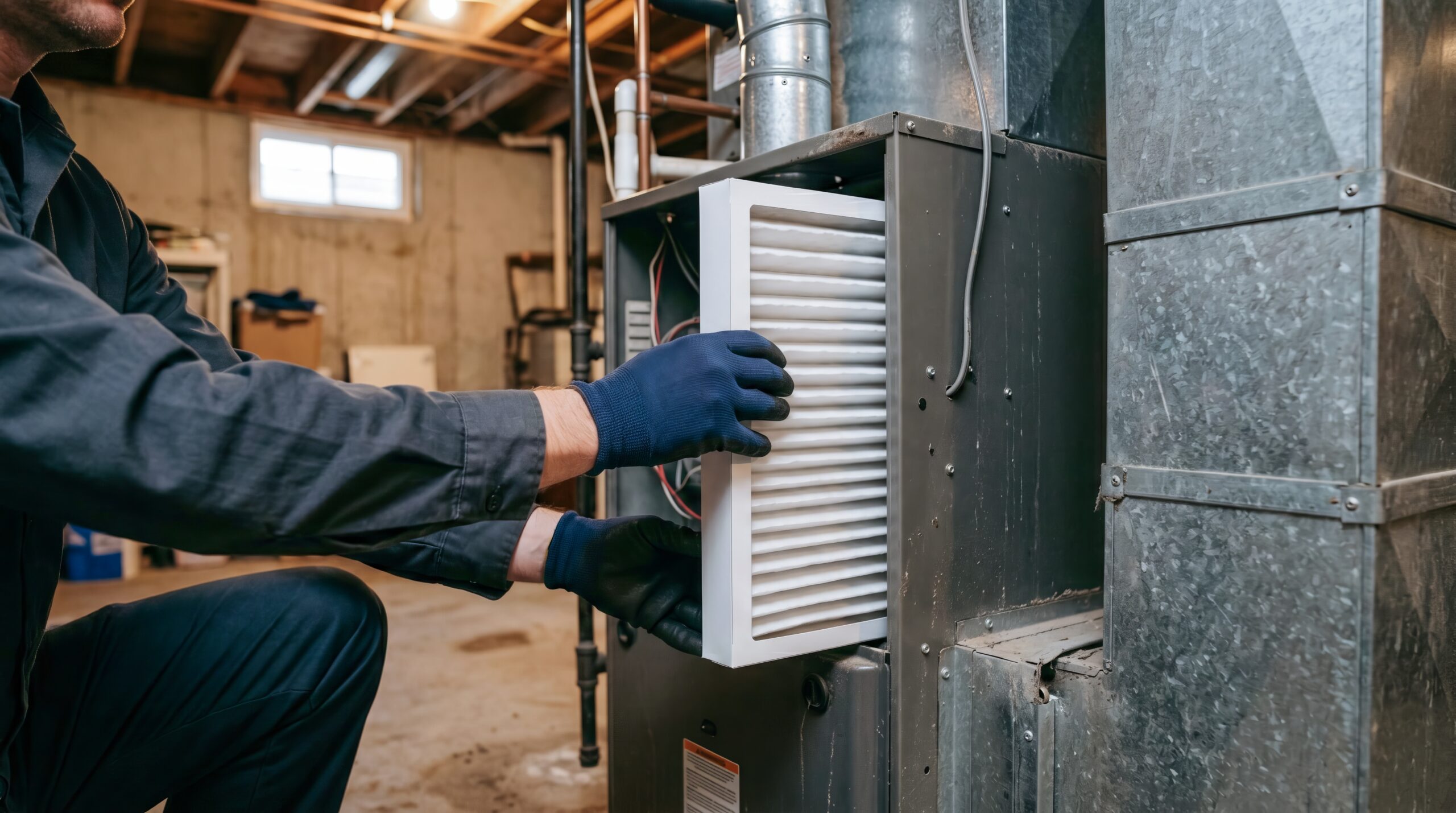
Check and replace the air filter if it has been more than thirty days since the last replacement or if it appears visibly dirty. A clogged filter is the most common and most easily addressed cause of reduced AC performance and should be ruled out before assuming a more serious problem.
Check that all supply registers throughout the home are open and unobstructed. Furniture, rugs, and drapes placed over or in front of supply registers reduce airflow and create temperature imbalances.
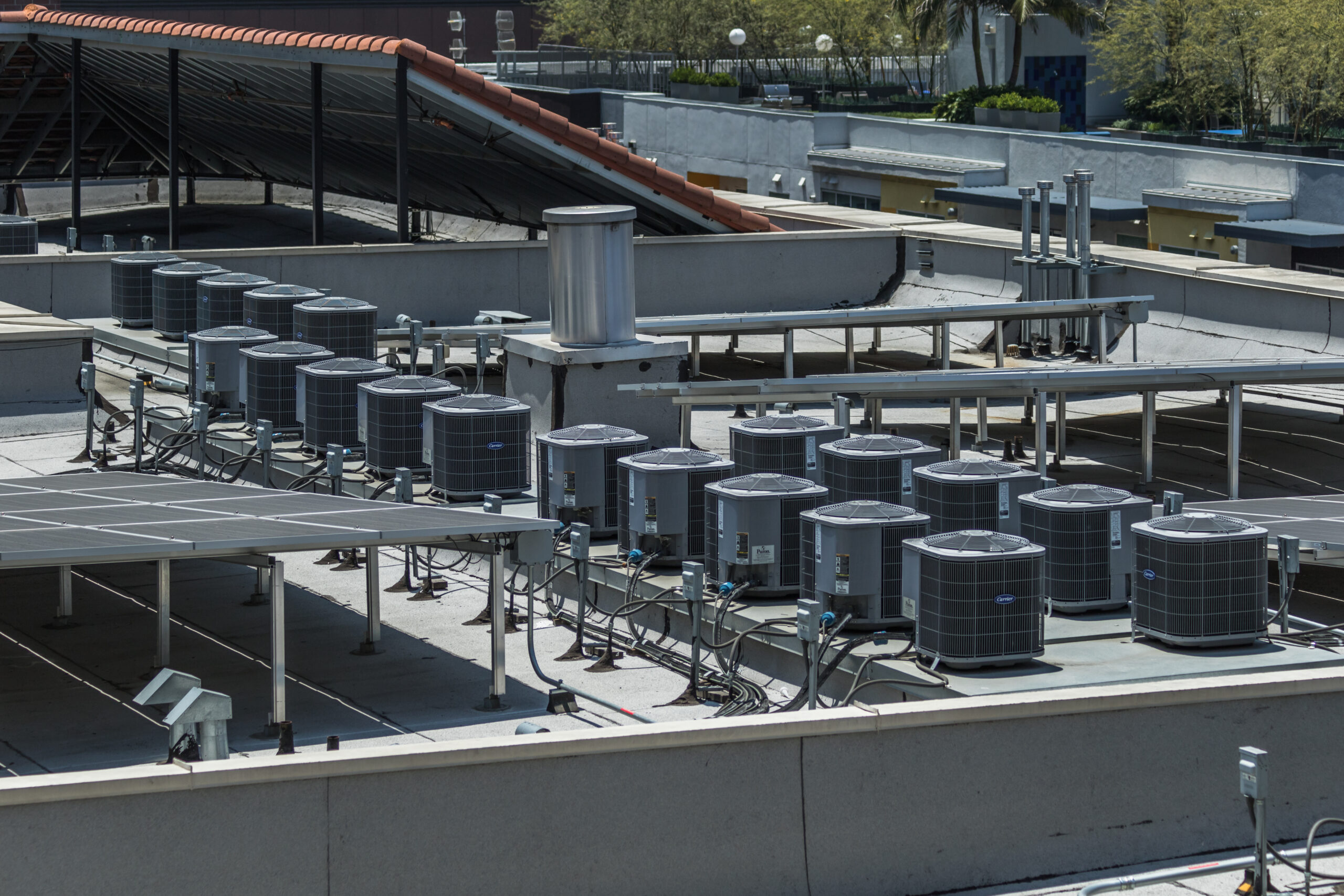
Check the outdoor unit to confirm it is running and that the area around it is clear of debris, vegetation, and obstructions that could restrict airflow to the condenser coil. The outdoor unit needs several feet of clearance on all sides to operate efficiently.
Set the thermostat fan to auto rather than on if it is currently set to on. Running the fan continuously when the compressor is not running circulates unconditioned air through the home and can make the temperature management problem worse.
If none of these steps produce improvement and the system is exhibiting any of the warning signs described above, the appropriate next step is a professional diagnostic visit rather than continued self-troubleshooting.
Frequently Asked Questions About AC Running Constantly During Denver Heat Waves
Is it normal for my AC to run all day during a Denver heat wave?
Yes, in most cases. When outdoor temperatures exceed what your system was sized to handle, continuous operation is the expected response. The key indicator of normal versus problematic behavior is whether the system is maintaining indoor temperatures within a reasonable range of your thermostat setting. If the house is holding relatively steady even though the system is running continuously, the system is working correctly under difficult conditions.
What indoor temperature should I realistically expect during a Denver heat wave?
Most residential systems are designed to maintain indoor temperatures approximately fifteen to twenty degrees below outdoor temperatures. When Denver hits one hundred and five degrees, a system that keeps the home at eighty-five to ninety degrees is functioning within its design parameters even if that is not comfortable by your usual standards. Setting the thermostat lower during extreme heat will not change this reality and may cause the system to run continuously without ever satisfying the setpoint.
Should I turn my AC off during the hottest part of the day to give it a break?
No. Turning the system off during extreme heat allows the indoor temperature to rise significantly, and restarting the system to cool a home that has gained substantial heat is much harder on the equipment than allowing it to run continuously. It also takes much longer to recover, and the heat gain during the off period can stress other elements of the home including electronics and perishables.
How do I know if my AC needs refrigerant during a heat wave?
Signs that refrigerant may be low include air from the supply vents that feels less cold than usual, ice forming on the indoor unit or refrigerant lines, and run times that seem excessive even for extreme heat conditions. Low refrigerant always indicates a leak that needs to be found and repaired, not just a topping off. A professional diagnostic visit is needed to confirm refrigerant status and locate any leak.
When should I call for HVAC service during a heat wave rather than waiting it out?
Call for service if the indoor temperature is rising despite continuous operation, if supply air is not cold, if ice is visible on any part of the system, if the system is short cycling, or if you hear unusual sounds from either the indoor or outdoor unit. These symptoms indicate mechanical problems that will not resolve with the return of milder weather and that can worsen significantly under sustained heat wave conditions.
Where can I learn more about whether my system needs repair or replacement?
Understanding when HVAC repair vs replacement makes more sense walks through the factors that determine whether a struggling system is worth repairing or whether replacement is the smarter long-term investment.
Know the Difference and Act Before the System Fails
A Denver heat wave tests every air conditioning system and most systems will run harder and longer than you are used to seeing. That is expected. What is not expected is a system that cannot maintain indoor temperatures at all, produces air that is not cold, forms ice, short cycles, or makes unusual sounds. Those are the signs that the heat wave has exposed an underlying problem that needs professional attention. Seasonal HVAC maintenance is the investment that keeps Denver systems ready for exactly these conditions. Contact Aspire Building Services to schedule a diagnostic visit and get ahead of a problem before it becomes an emergency.