Denver is one of the most hail-prone cities in the United States. The Front Range sits in a corridor where warm, moist air from the Gulf of Mexico collides with cold air descending from the Rockies, creating the conditions for powerful summer thunderstorms that produce hail with alarming frequency and size. For homeowners with central air conditioning, the outdoor condenser unit represents a significant investment that sits fully exposed to every hailstorm that passes through. Understanding how to protect that investment, what damage looks like when protection fails, and how to document and respond to hail damage is practical knowledge for every Denver homeowner with an outdoor AC unit. Aspire Building Services helps Denver homeowners protect and maintain their HVAC equipment through Colorado’s demanding weather seasons, and this guide covers what actually works for hail protection without compromising the performance and warranty status of the equipment.
How Hail Damages Outdoor AC Units
The outdoor condenser unit is designed to withstand normal weather exposure, but hail introduces a specific type of mechanical damage that affects both immediate performance and long-term equipment life in ways that are worth understanding before evaluating protection options.
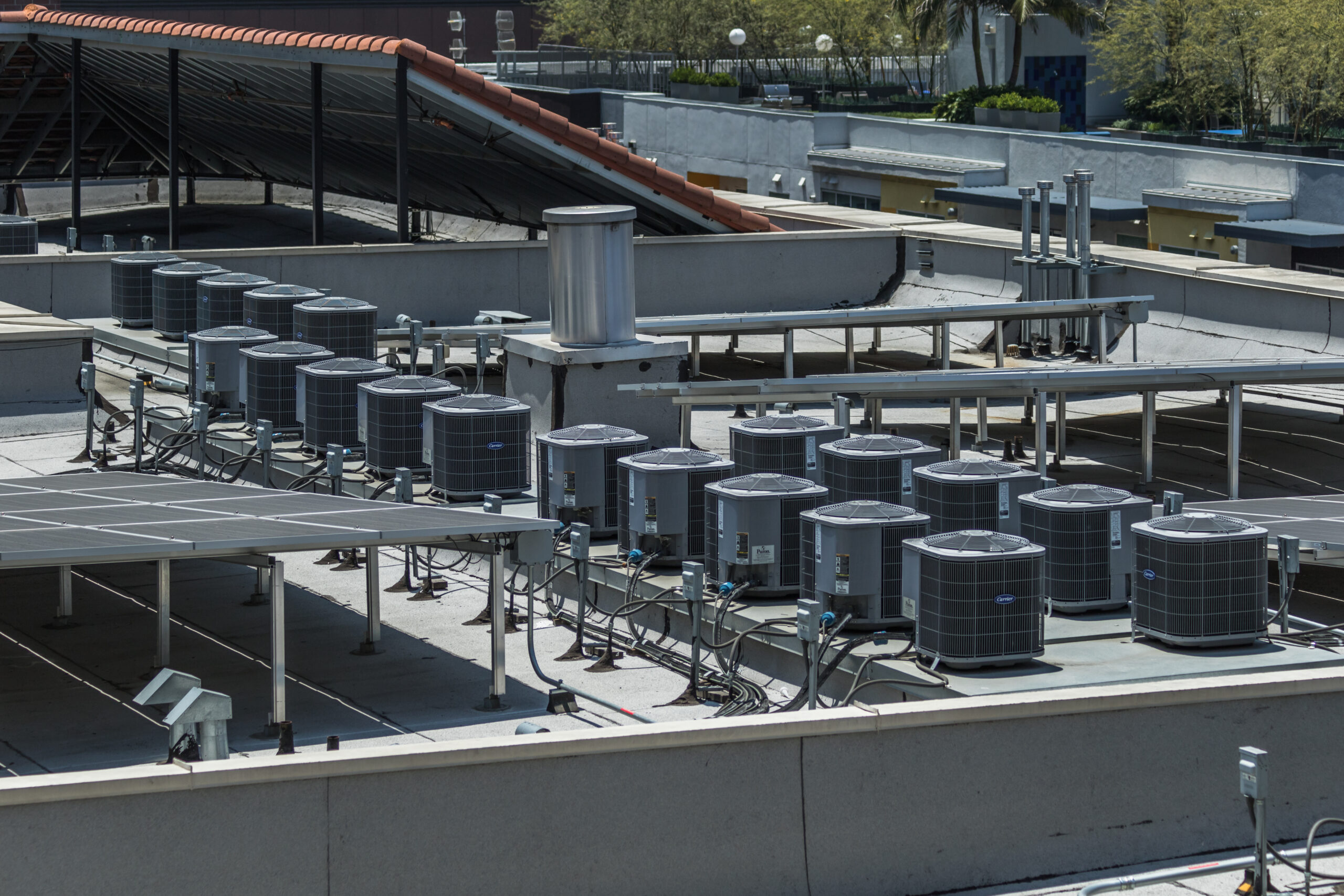
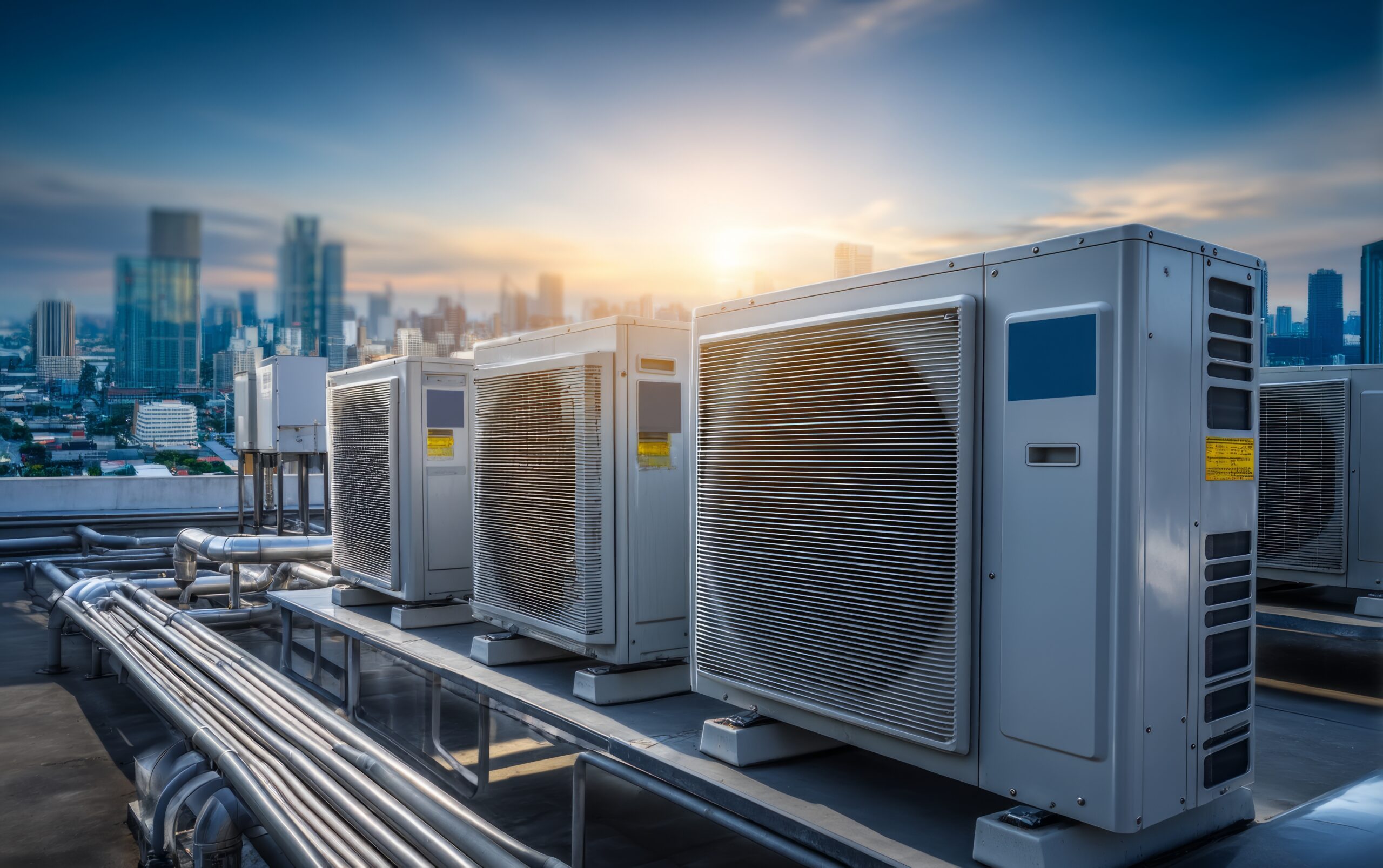
The condenser coil fins are the most vulnerable component during a hail event. These thin aluminum fins are arranged in tight rows around the perimeter of the condenser unit and are designed to maximize the surface area available for heat rejection. They are intentionally thin and closely spaced to optimize heat transfer, which also makes them susceptible to bending and crushing from hail impact. Bent or crushed fins restrict the airflow through the condenser coil, which reduces heat rejection efficiency, raises operating pressures and temperatures in the refrigerant circuit, and puts additional stress on the compressor. A condenser with significant fin damage operates less efficiently and has a shortened service life relative to an undamaged unit.
The refrigerant lines, electrical components, and fan assembly on top of the unit are also exposed to hail damage, though they are generally more robust than the fins. Large hail can crack or dent the unit cabinet, damage the fan blade or fan motor, and in severe cases can damage refrigerant line connections enough to cause leaks that require professional repair.
The cumulative effect of multiple hail events over the life of a unit is often more significant than any single event. A unit that sustains moderate fin damage in two or three consecutive hail seasons may have its effective service life shortened significantly even if no single event caused damage severe enough to trigger an insurance claim or an immediate service call. AC repair services from Aspire Building Services include condenser assessment and fin straightening that can restore airflow efficiency after hail damage.
Protection Options That Work and What to Avoid
The hail protection options available to Denver homeowners range from highly effective permanent solutions to well-intentioned approaches that can actually cause more harm than the hail they are meant to prevent. Understanding the difference before investing in protection is important.
Hail guards designed specifically for HVAC condensers are the most effective permanent protection solution. These products consist of louvered metal or polycarbonate panels that wrap around the condenser unit and are designed to deflect hail while maintaining the airflow that the condenser requires for proper operation. Quality hail guards are engineered to provide protection without meaningfully restricting airflow, which is the critical performance requirement that separates a good hail guard from a problematic one.
The airflow requirement is what makes hail protection more complex than simply covering the unit. A condenser that cannot move adequate air across the coil cannot reject heat efficiently, which causes exactly the high operating pressures and compressor stress that hail damage to fins causes. A protection solution that reduces airflow by more than a few percent trades hail damage risk for operational inefficiency and equipment stress. When evaluating any hail guard product, confirming that it is specifically designed for HVAC applications and that it maintains adequate airflow is the first requirement.
Permanent hail guards should be installed by a professional or by following manufacturer specifications precisely, because improper installation that creates gaps, restricts service access, or positions the guard in a way that interferes with airflow defeats the purpose of the investment and may void equipment warranties. Installations and upgrades from Aspire Building Services include hail guard installation alongside other equipment protection and upgrade services for Denver homeowners.
Temporary covers that fully enclose the condenser unit are appropriate only when the unit is not operating, such as during winter shutdown periods when the AC is not in use. A cover placed over an operating condenser prevents airflow entirely and will cause the system to overheat and shut down on high pressure, potentially damaging the compressor. Covers marketed as hail protection that are designed to be left on during operation should be evaluated very carefully for their airflow impact before use. If a cover is designed to be applied quickly when a storm approaches and removed immediately after, this requires being home and aware enough of incoming weather to act before the storm arrives, which is not always practical given how quickly Denver hailstorms develop.
Planting or landscaping around the condenser unit as a hail buffer is sometimes suggested as a natural protection approach. While mature plantings can reduce the velocity of smaller hail, they also restrict airflow to the condenser, require maintenance to prevent debris accumulation in the unit, and should maintain a clearance of at least two feet from the unit on all sides to avoid airflow restriction. Landscaping that has grown to encroach on the condenser clearance zone is an airflow problem regardless of any hail protection benefit it might provide.
Maintaining Manufacturer Warranty and Insurance Documentation
The warranty and insurance dimensions of hail protection and hail damage response are practical considerations that affect the financial outcome when damage occurs and should be understood before making protection decisions.
Most HVAC equipment manufacturers specify minimum clearance requirements around the condenser unit and may have provisions in warranty documentation regarding aftermarket additions to the equipment. Installing a hail guard that is not approved or listed by the equipment manufacturer may affect warranty coverage for damage that occurs after installation. Verifying that a proposed hail guard installation is compatible with the equipment manufacturer’s warranty terms before installation protects the warranty coverage that represents significant value for newer equipment.
Documenting the condition of the condenser unit before and after hail events is the practical step that supports insurance claims when damage occurs. Pre-season photographs of the condenser unit that show the condition of the fins, the cabinet, and surrounding components establish a baseline that makes it easier to demonstrate the extent of hail damage when a claim is filed. Photographs taken immediately after a significant hail event, combined with a professional assessment of any damage, provide the documentation that insurance adjusters need to evaluate a claim accurately.
Homeowners insurance policies vary in how they treat HVAC equipment damage from hail. Some policies cover condenser damage under the dwelling coverage, others under personal property coverage, and some have specific provisions for HVAC equipment. Understanding how your specific policy treats hail damage to HVAC equipment before a claim is needed allows you to document and file claims correctly when damage occurs.
A professional damage assessment from a qualified HVAC technician after a significant hail event provides the technical documentation that supports an insurance claim and identifies damage that may not be visible to a homeowner inspection. A technician who can document fin damage percentage, refrigerant pressure readings that indicate performance impact, and any other damage to electrical or mechanical components provides the professional assessment that insurers require for accurate claim evaluation. Residential HVAC services from Aspire Building Services include post-hail damage assessments and professional documentation for Denver homeowners navigating insurance claims.
What to Do Immediately After a Significant Hail Event
The steps you take immediately after a significant hail event affect both the equipment’s condition and your ability to pursue an insurance claim if damage warrants one.
Inspect the condenser unit visually after the storm has passed and it is safe to go outside. Look for visible denting of the cabinet, bent or crushed fins around the perimeter of the unit, damage to the fan blade visible through the top grille, and any damage to the refrigerant lines or electrical connections. Photograph everything you observe, including the surrounding area to establish context about the storm’s intensity.
Run the system briefly on a warm day following the hail event and observe its operation. A condenser with significant fin damage may take longer to cool the home, may run continuously without satisfying the thermostat, or may produce unusual sounds from airflow restriction. These operational symptoms help document performance impact alongside visual damage documentation.
Do not attempt to straighten bent fins yourself without the proper tool. Fin combs, which are designed specifically for this purpose, can restore some airflow in lightly damaged areas, but aggressive DIY fin straightening on severely damaged coils can break fins entirely or push them into the coil in ways that make the damage worse. For any significant fin damage, professional assessment and fin straightening by a technician with the right equipment produces better results than DIY attempts.
Contact your insurance company to report potential hail damage and ask about the claim process for HVAC equipment before scheduling repairs. Some insurers require a company-approved adjuster inspection before repair work is authorized, and completing repairs before that inspection can complicate or invalidate a claim.
Frequently Asked Questions About Protecting AC Units From Denver Hail
Is a hail guard worth the investment for a Denver AC unit?
For most Denver homeowners, a properly designed hail guard represents a worthwhile investment given the frequency and severity of Front Range hailstorms. The key is selecting a product specifically designed for HVAC applications that maintains adequate airflow rather than a generic cover that restricts condenser performance. The cost of a quality hail guard is typically a fraction of the cost of a single significant hail damage repair or compressor replacement.
Can I cover my AC unit during a hailstorm?
Only if the unit is not operating at the time of the storm. A fully enclosed cover on an operating condenser prevents airflow and will cause a high-pressure shutdown and potential compressor damage. If you want temporary storm protection, the unit must be turned off before covering it, and the cover must be removed before restarting the system. Given how quickly Denver hailstorms develop and pass, this approach requires being actively present and attentive to weather conditions.
How do I know if my AC unit was damaged by hail?
Visual indicators include dented cabinet panels, bent or crushed fins visible around the perimeter of the unit, and damaged fan components visible through the top grille. Performance indicators include longer run times to achieve the thermostat setpoint, higher-than-normal energy consumption, and, in more severe cases, unusual sounds during operation. A professional assessment provides the most accurate damage evaluation and documentation.
Will my homeowners insurance cover hail damage to my AC condenser?
Coverage depends on your specific policy terms. Many standard homeowners insurance policies cover hail damage to HVAC equipment, but the coverage structure, deductibles, and claim process vary by policy. Reviewing your policy terms and contacting your insurance company after a significant hail event to understand the claim process for HVAC equipment is the appropriate first step.
How often should I have my condenser inspected for cumulative hail damage in Denver?
An annual inspection that includes condenser coil condition assessment is a reasonable maintenance practice for Denver homeowners given the frequency of hail events. Why seasonal HVAC maintenance saves money in Colorado details the full scope of maintenance that keeps Denver HVAC equipment performing through the demands of Colorado’s weather seasons, including the cumulative effects of hail exposure.
How do I get a post-hail damage assessment for my Denver AC unit?
Contact Aspire Building Services to schedule a condenser assessment after a significant hail event. The assessment provides professional documentation of any damage, performance impact evaluation, and repair recommendations that support both equipment restoration and insurance claim documentation.
Protect the Investment Before the Next Storm Arrives
Denver hail is not a rare event. It is a predictable seasonal risk that Front Range homeowners plan around in every other area of their property, and the outdoor AC condenser deserves the same planning attention. A properly installed hail guard, a maintenance program that includes condenser condition monitoring, and a clear plan for post-storm documentation and insurance response protect both the equipment and the investment it represents. Contact Aspire Building Services to discuss hail protection options for your outdoor HVAC equipment and to schedule the seasonal maintenance that keeps Denver AC systems ready for whatever Colorado’s weather delivers.