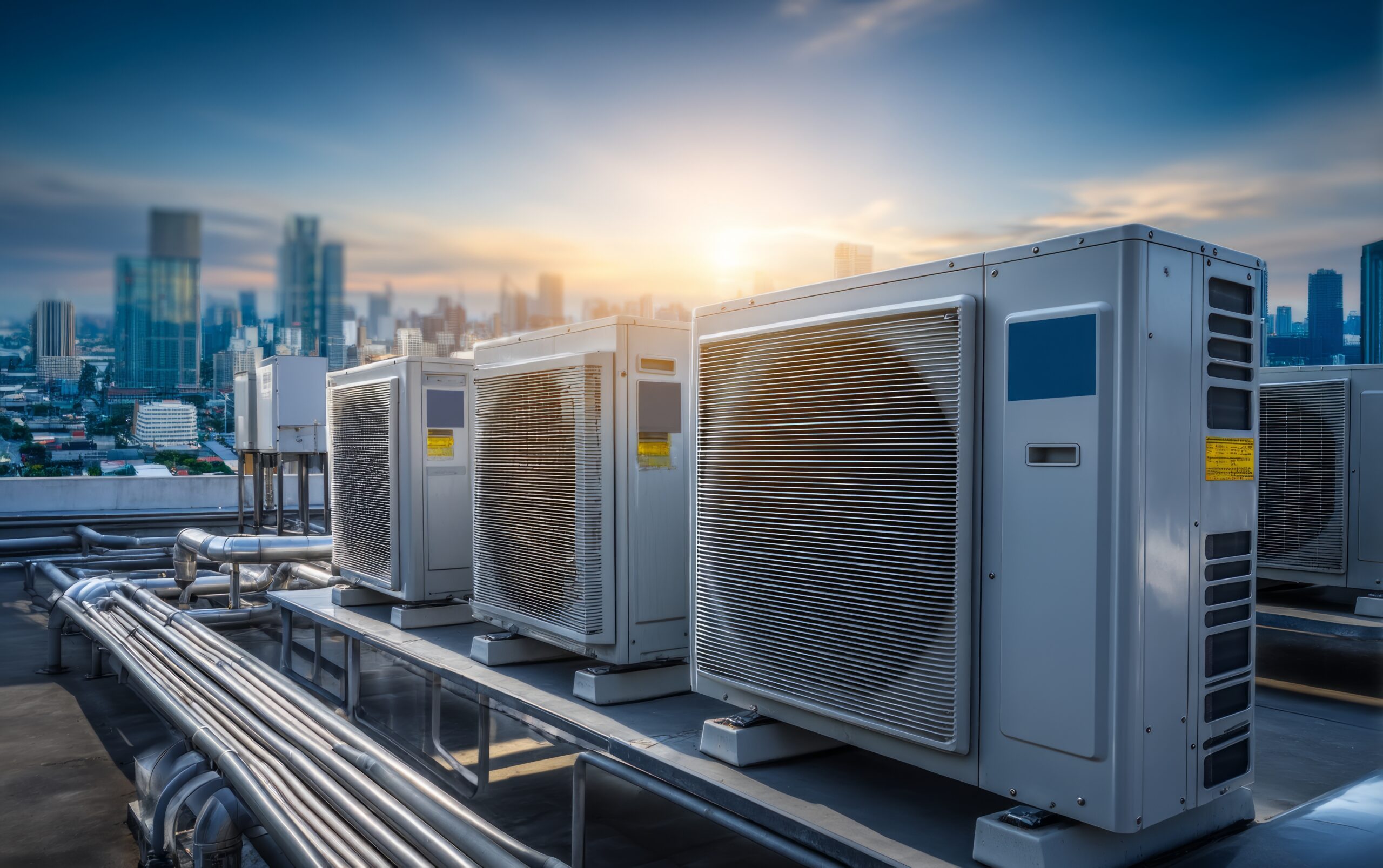
Choosing the right air conditioning system is an important decision that affects your comfort, energy bills, and long-term HVAC performance. With so many options available, homeowners often ask whether a traditional central air conditioning system or a newer inverter AC system is the better choice—especially in a climate like Colorado’s, where temperatures can change quickly.
Both systems are effective, but they operate differently and offer unique benefits. Understanding how each system works and what it’s best suited for can help you make a smarter, more cost-effective decision for your home or business.
How Central Air Conditioning Works
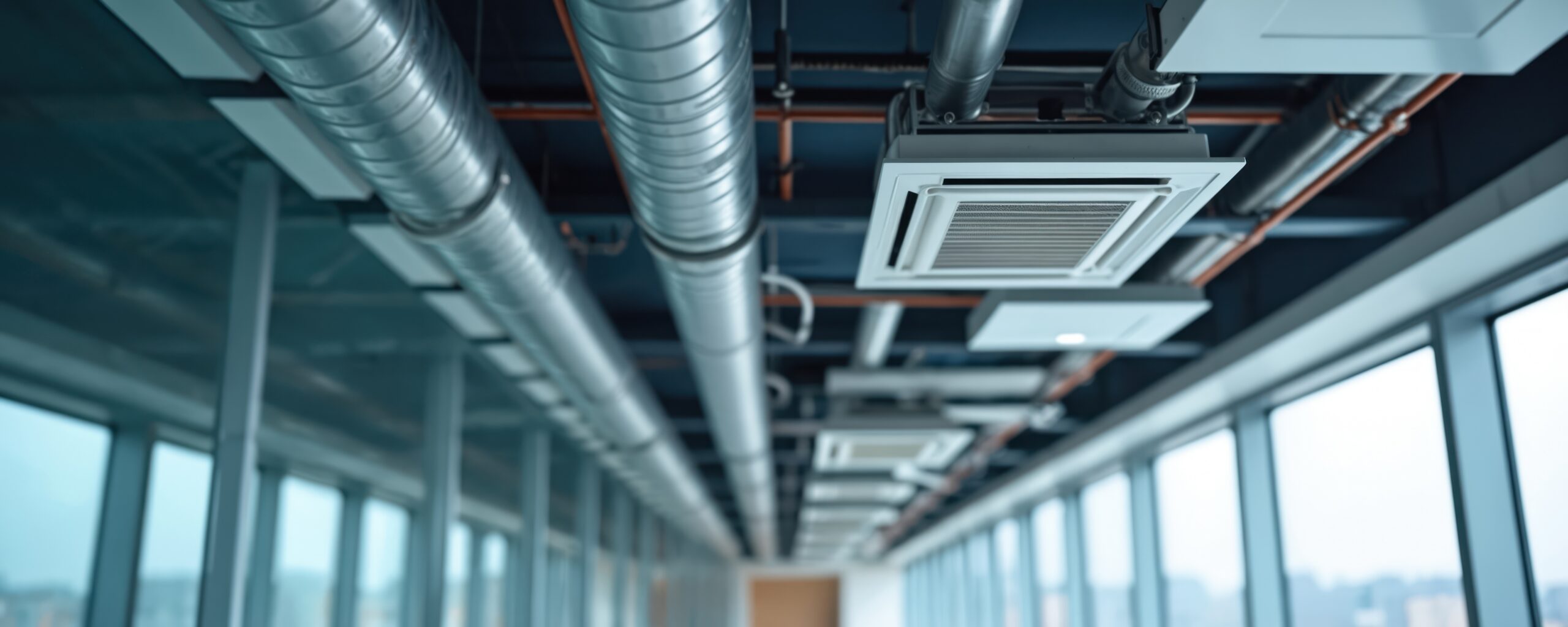
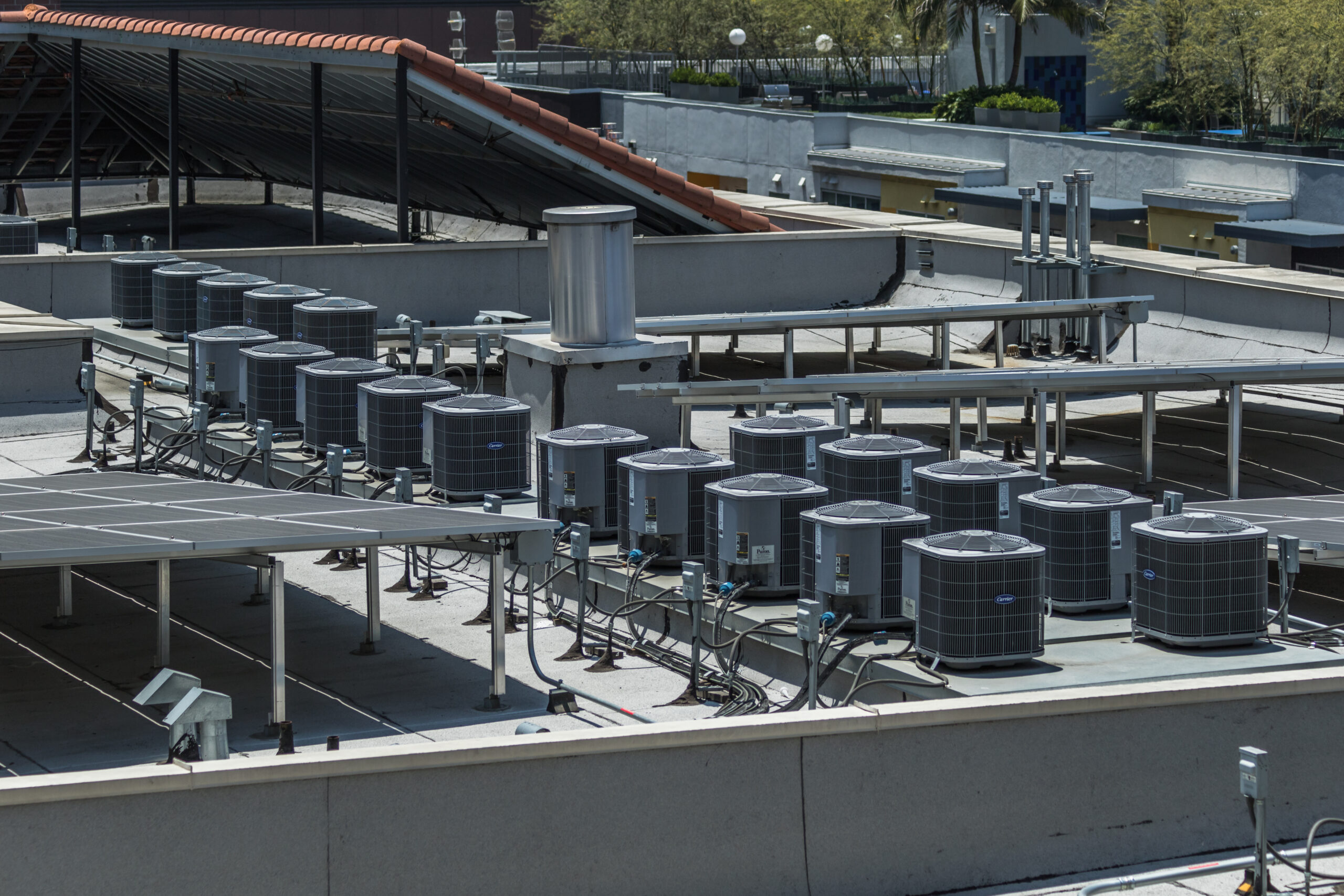
Central air conditioning systems use a single outdoor unit connected to an indoor air handler and ductwork to cool the entire home. The system cycles on at full power until the thermostat reaches the desired temperature, then shuts off until cooling is needed again.
Central AC systems are known for their reliability and ability to deliver consistent, whole-home cooling. They are a common choice for homes with existing ductwork and remain a dependable option for many homeowners.
Benefits of Central Air Conditioning
Central air systems offer several advantages, including:
- Even cooling throughout the entire home
- Strong airflow through existing ductwork
- Proven reliability and long service life
- Compatibility with most standard thermostats
- Lower upfront cost compared to some advanced systems
For homes already equipped with ductwork, central air conditioning can be a practical and cost-effective solution.
How Inverter Air Conditioning Systems Work
Inverter AC systems use variable-speed technology to adjust cooling output based on real-time demand. Instead of turning on and off at full power, the system continuously modulates its speed to maintain a steady temperature.
This technology allows inverter systems to run more efficiently and quietly while providing precise temperature control.
Benefits of Inverter AC Systems
Inverter systems are becoming increasingly popular due to their efficiency and comfort advantages:
- Lower energy consumption
- More consistent indoor temperatures
- Quieter operation
- Reduced wear on system components
- Improved humidity control
- Better performance during partial cooling demand
Because inverter systems run at variable speeds, they avoid the frequent start-and-stop cycles that can increase energy usage.
Energy Efficiency Comparison
Inverter AC systems generally use less electricity than traditional central air systems because they don’t rely on constant full-power cycling. Over time, this can lead to noticeable savings on monthly energy bills.
However, central air systems can still operate efficiently when properly sized, installed, and maintained—making maintenance a key factor regardless of system type.
Which System Is Right for Your Home?
The best choice depends on several factors:
- Size and layout of your home
- Existing ductwork
- Budget considerations
- Comfort preferences
- Long-term energy savings goals
Homes without ductwork, multi-level homes, or homeowners seeking maximum efficiency often benefit from inverter systems. Homes with existing ducts and a need for straightforward, whole-home cooling may find central air to be the best fit.
Installation and Long-Term Costs
Central air systems typically have a lower upfront installation cost, especially in homes with existing ductwork. Inverter systems may cost more initially but often offset that investment through reduced energy usage over time.
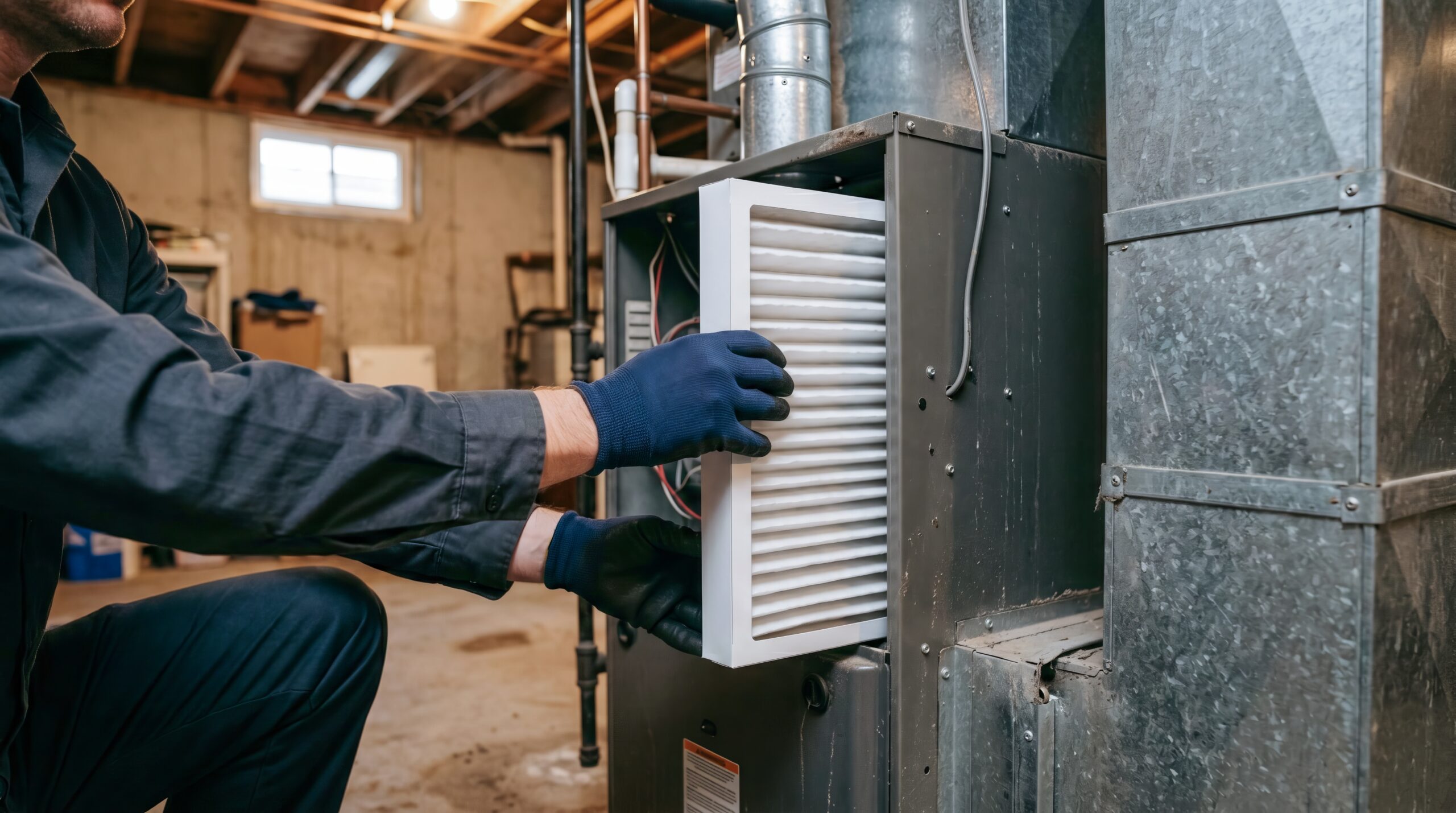
Proper installation and system sizing play a critical role in the performance and lifespan of either system.
Why Professional Guidance Matters
Choosing the wrong system or installing an improperly sized unit can lead to poor performance, higher bills, and shortened equipment life. A professional assessment ensures the system matches your home’s cooling needs and operates at peak efficiency.