Wildfire smoke has become a recurring seasonal reality for Denver homeowners. What once felt like an occasional inconvenience has become a predictable part of Colorado summers, with smoke from regional fires pushing air quality into unhealthy ranges for days or weeks at a time. During these events, the instinct to seal up the house and run the air conditioner feels like the right move, and in many ways it is. But an HVAC system that is not properly configured for a smoke event can actually pull contaminated outdoor air into the home, circulate smoke particles through the duct system, and provide false reassurance that indoor air is cleaner than it actually is. Aspire Building Services helps Denver homeowners understand how their HVAC system interacts with wildfire smoke events and what steps produce genuine indoor air quality protection when smoke levels rise.
Why Wildfire Smoke Is Different From Everyday Air Pollution
Wildfire smoke is not simply elevated dust or urban particulate. It is a complex mixture of fine particles, gases, and chemical compounds that behaves differently from the everyday air quality challenges that standard residential HVAC filtration was designed to address.
The particle size distribution in wildfire smoke is weighted toward the very fine end of the particulate spectrum. Particles in the PM2.5 range and smaller, which are the particles most associated with respiratory and cardiovascular health effects, are present in wildfire smoke at much higher concentrations than in normal urban air pollution. These very fine particles penetrate deeper into the respiratory system than coarser particles and are the primary health concern during smoke events.
Wildfire smoke also contains a significant gaseous component, including volatile organic compounds, carbon monoxide, acrolein, and other combustion byproducts that standard particle filtration does not capture. A home with excellent particle filtration can still have elevated levels of gaseous smoke compounds during a significant wildfire event because the filtration system is addressing only part of the problem.
The intermittent and variable nature of wildfire smoke events in Denver also creates a challenge for static filtration configurations. A filter that is adequate for normal air quality conditions may be overwhelmed during a significant smoke event, and the same filter that was changed a month ago may need to be changed again after a week of heavy smoke because it has accumulated its full loading of fine particles from the smoke rather than from normal household dust. Indoor air quality solutions from Aspire Building Services address the full spectrum of Denver indoor air quality challenges, including the specific demands of wildfire smoke season.
How Your HVAC System Interacts With Wildfire Smoke
Understanding how the HVAC system interacts with outdoor air during a wildfire smoke event is the foundation of making good decisions about system operation during smoke events.
Most residential HVAC systems are primarily recirculating systems that move indoor air through the filter and cooling or heating equipment and return it to the living space. They do not actively bring outdoor air into the home during normal operation in the way that a dedicated ventilation system does. This is actually an advantage during wildfire smoke events because it means the primary filtration function is operating on recirculated indoor air rather than continuously processing smoke-laden outdoor air.
The complication is that homes are not perfectly sealed, and outdoor air enters through infiltration even when all windows and doors are closed. The rate of infiltration depends on the construction tightness of the home, the wind conditions during the smoke event, and the pressure balance of the HVAC system. Homes with significant infiltration pathways will see indoor smoke particle levels rise during extended outdoor smoke events regardless of HVAC operation, because the smoke is entering through gaps in the building envelope rather than through the HVAC system.
Fresh air intakes on HVAC systems, heat recovery ventilators, and energy recovery ventilators that bring controlled amounts of outdoor air into the home create a direct pathway for smoke to enter during outdoor air quality events. Understanding whether your system has a fresh air intake and how to manage it during smoke events is an important piece of the wildfire smoke preparedness picture. During significant smoke events, fresh air intakes should be closed if possible to minimize the direct introduction of contaminated outdoor air into the home.
Filter Selection During Wildfire Smoke Events
The filter in your HVAC system is the primary defense against smoke particles circulating through the home during a wildfire event, and the filter specification matters significantly for smoke protection in a way that it may not for normal household dust management.
Standard one-inch fiberglass filters with MERV ratings of one through four capture large particles effectively but allow the fine particles in wildfire smoke to pass through largely uncaptured. These filters are adequate for protecting HVAC equipment from large debris but provide minimal air quality protection during a smoke event.
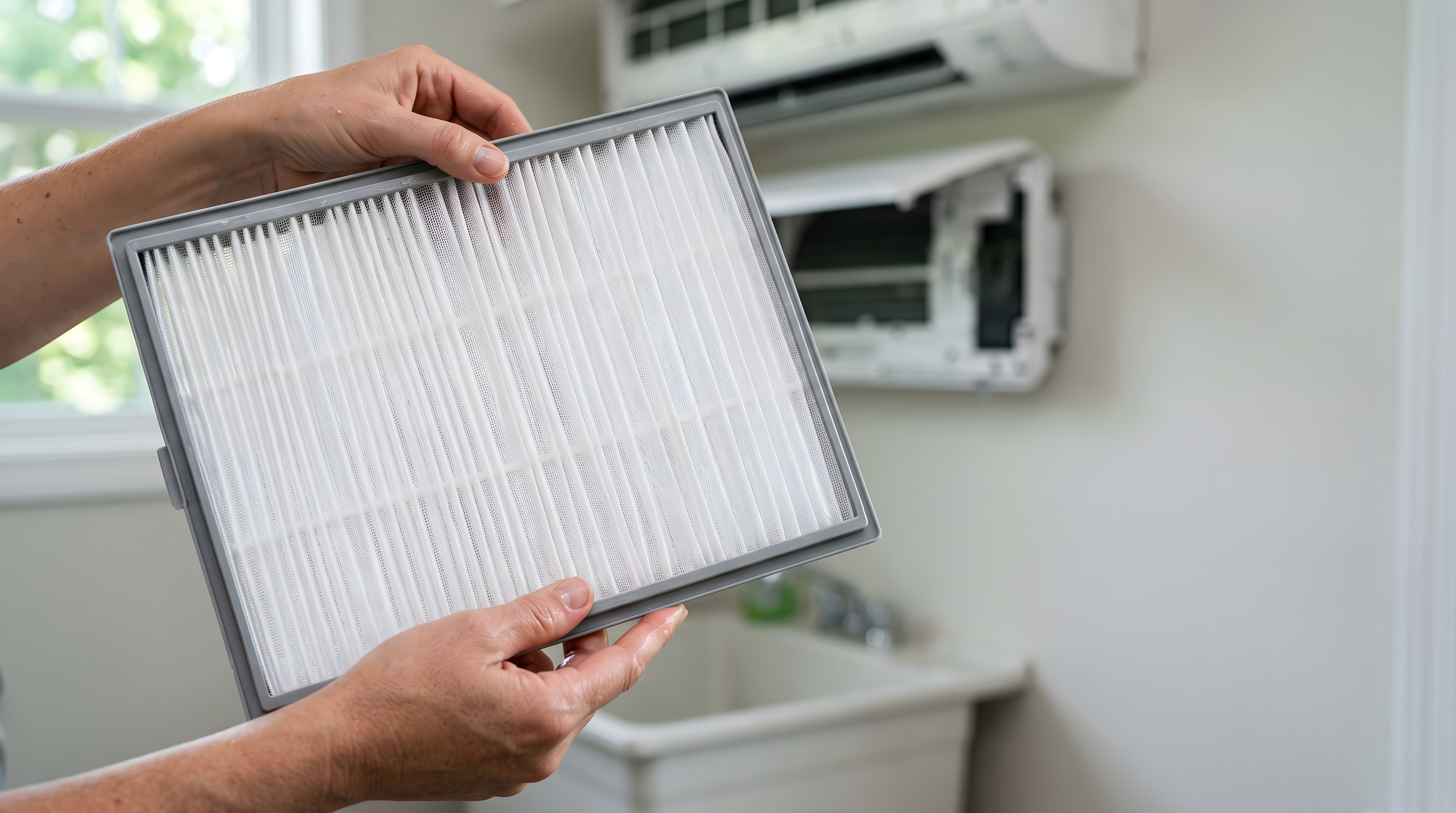
MERV 13 filters capture a significant percentage of the fine particles in the PM2.5 range that represent the primary health concern in wildfire smoke. For Denver homeowners who want meaningful smoke particle reduction during wildfire events, MERV 13 is a practical minimum target that is achievable in most residential air handlers without the severe airflow restriction that higher-rated filters can create.
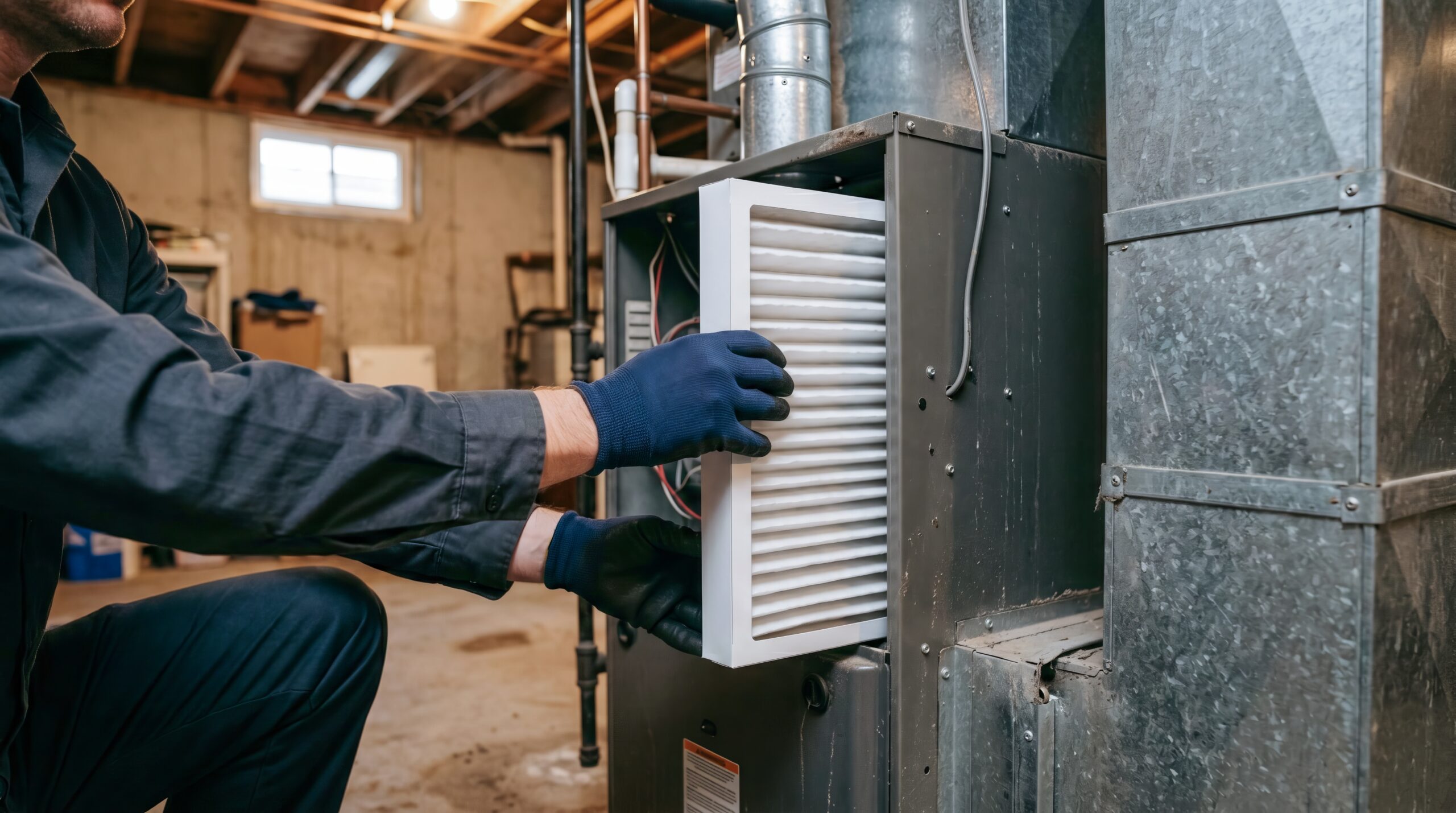
The practical steps for filter management during a Denver wildfire smoke event are straightforward. Check the current filter and replace it if it has accumulated significant loading, because a partially loaded filter has less remaining capacity for smoke particles than a fresh filter. Upgrade to a MERV 13 filter if the current filter is rated lower and the system can handle the modest increase in static pressure. Check the filter again after the smoke event clears and replace it if the smoke loading has significantly reduced its remaining service life.
For homes with HVAC systems that cannot accommodate MERV 13 filters without airflow problems, a combination of the highest-rated filter the system can handle plus portable HEPA air purifiers in the most occupied rooms of the home is a practical alternative that provides meaningful particle reduction without stressing the central system. AC repair services from Aspire Building Services include assessment of system airflow that helps identify whether the existing air handler can support higher-efficiency filtration without performance impacts.
Operating the HVAC System Correctly During a Smoke Event
How you operate your HVAC system during a wildfire smoke event affects how effectively it protects indoor air quality, and the correct operating approach is different from normal system operation in a few important ways.
Running the HVAC fan continuously during a smoke event, rather than only when the thermostat calls for cooling or heating, increases the number of air changes per hour through the filtration system and reduces indoor particle levels more effectively than intermittent fan operation. Most thermostats have a fan setting that allows continuous fan operation independent of the heating or cooling function. Switching to continuous fan operation during significant smoke events is one of the most effective and lowest-cost steps available to Denver homeowners.
Keeping windows and doors closed during smoke events is basic guidance that most homeowners follow instinctively, but the less obvious corollary is that bathroom exhaust fans and kitchen range hood fans that exhaust indoor air to the outside create negative pressure in the home that draws outdoor air in through infiltration pathways to replace the exhausted air. Minimizing the use of exhaust fans during significant smoke events reduces the infiltration-driven introduction of smoke into the home.
If the home has an HRV or ERV providing mechanical ventilation, switching it to recirculation mode during significant smoke events stops the direct introduction of outdoor air into the home while maintaining air movement through the filtration system. Most HRV and ERV units have a recirculation or bypass mode designed for exactly this type of outdoor air quality event.
What HVAC Filtration Cannot Do During a Smoke Event?
Understanding the limitations of HVAC filtration during wildfire smoke events is as important as understanding what it can accomplish, because overreliance on filtration can create false confidence that does not reflect actual indoor air quality conditions.
Gaseous smoke compounds are not captured by particle filters regardless of MERV rating. The volatile organic compounds, acrolein, carbon monoxide, and other combustion gases in wildfire smoke pass through particle filtration without being captured. Activated carbon filtration is required to address the gaseous component of smoke, and most standard residential HVAC systems do not include activated carbon filtration unless it has been specifically added. During significant smoke events, the gaseous component of indoor air quality cannot be managed by the particle filtration system.
Infiltration that bypasses the HVAC system entirely cannot be addressed by HVAC filtration. Smoke that enters through gaps around windows, doors, electrical outlets on exterior walls, and other infiltration pathways enters the living space without passing through the filtration system. In homes with significant infiltration, indoor smoke levels may rise during extended outdoor smoke events even with the HVAC system running continuously with a high-efficiency filter.
The rate at which the HVAC system filters indoor air is limited by the system’s airflow capacity and the home’s volume. A system that processes the home’s air volume two or three times per hour through a MERV 13 filter produces a meaningful reduction in indoor particle levels over time, but it does not produce instantaneous clean air the way a properly sized portable HEPA purifier placed in the occupied room does. For the most critical air quality protection during significant smoke events, combining central system filtration with portable HEPA filtration in sleeping areas and primary living spaces produces better results than relying on the central system alone. Residential HVAC services from Aspire Building Services help Denver homeowners assess their systems’ current filtration capabilities and identify upgrades that improve smoke season protection.
Preparing Your HVAC System for Wildfire Smoke Season
The most effective wildfire smoke protection strategy is one that is prepared before the smoke arrives rather than improvised after it does. Denver homeowners who take a few preparedness steps before wildfire smoke season arrives are better positioned to protect indoor air quality when smoke events occur.
Scheduling annual HVAC maintenance before the summer season ensures that the system is operating efficiently, that existing filtration is in good condition, and that any issues that could affect system performance during the extended operation of a smoke event are identified and addressed. A system that is running efficiently circulates air more effectively and provides better filtration performance than one with reduced airflow from dirty coils, a clogged filter, or a failing motor. Why seasonal HVAC maintenance saves money in Colorado details the maintenance steps that keep HVAC systems ready for the demands of Colorado’s smoke season alongside its other seasonal demands.
Stocking replacement filters rated at MERV 13 or higher before smoke season means that when a smoke event arrives, filter upgrades and mid-event replacements can be done immediately rather than depending on retailer availability during a period when demand for high-quality filters spikes. Having two or three replacement filters on hand provides the flexibility to change filters more frequently during extended smoke events without concern about supply.
Identifying and sealing significant infiltration pathways in the home, such as gaps around electrical outlets on exterior walls, penetrations around pipes and wiring through exterior walls, and gaps at the base of exterior doors, reduces the smoke that enters the home without passing through the filtration system. This is a home weatherization improvement that produces year-round energy efficiency benefits alongside the smoke season air quality benefit.
Understanding how to switch your specific thermostat and any ventilation equipment to the correct operating modes for a smoke event before the event occurs means you can make the adjustments quickly when air quality deteriorates rather than reading instruction manuals while smoke levels rise outside.
Frequently Asked Questions About Wildfire Smoke and HVAC Systems in Denver
Should I run my AC during a wildfire smoke event in Denver?
Yes, with appropriate precautions. Running the air conditioning with the system in recirculation mode, windows and doors closed, and a MERV 13 or higher filter installed helps reduce indoor particle levels during outdoor smoke events. The key is ensuring the system is not actively bringing outdoor air in through a fresh air intake and that the filter is clean enough to be effective.
What MERV rating filter should I use during Denver wildfire smoke events?
MERV 13 is a practical minimum target for meaningful fine particle reduction during wildfire smoke events. Higher ratings provide better particle capture but may restrict airflow in systems not designed for them. If your system cannot accommodate MERV 13 without airflow problems, use the highest rating it can handle and supplement with portable HEPA filtration in occupied rooms.
How do I know if my HVAC system has a fresh air intake that brings in outdoor air?
Fresh air intakes are typically a small duct or pipe that connects the outdoor air to the return air side of the HVAC system, often visible in the return air plenum or as a small exterior vent near the HVAC equipment. If you are unsure whether your system has a fresh air intake, a professional inspection can identify it and explain how to manage it during smoke events.
Will running my HVAC fan continuously during a smoke event damage the system?
Continuous fan operation is within the normal design parameters of residential HVAC systems and will not damage a properly maintained system. The main consideration is filter loading. Continuous operation during a smoke event loads the filter more quickly than normal operation, and the filter may need to be replaced sooner than usual after an extended smoke event.
Can my HVAC system completely protect my home from wildfire smoke?
No HVAC system provides complete protection from wildfire smoke, particularly for the gaseous components that particle filtration cannot capture. A well-configured HVAC system with appropriate filtration significantly reduces indoor fine particle levels and provides meaningful health protection during smoke events, but it does not eliminate smoke exposure entirely in homes with significant infiltration or without activated carbon filtration for gaseous compounds.
How do I get my HVAC system assessed for wildfire smoke season readiness in Denver?
Contact Aspire Building Services to schedule an assessment of your system’s current filtration capabilities, fresh air intake configuration, and overall readiness for wildfire smoke season. The assessment identifies the specific steps that will improve your home’s smoke protection based on your system’s current configuration and your home’s construction.
Prepare Your HVAC System Before the Smoke Arrives
The wildfire smoke events that have become part of Denver’s summer reality are not going away, and the homeowners who are best protected are the ones who have prepared their HVAC systems before the smoke arrives rather than responding after it does. A MERV 13 filter, a properly operating system with no unmanaged fresh air intake, and a thermostat set for continuous fan operation during smoke events provide meaningful protection for Denver families during the smoke events that Colorado summers increasingly deliver. Heat pump options and other modern HVAC technologies can further improve a home’s ability to maintain indoor air quality across all of Colorado’s seasonal challenges. Contact Aspire Building Services to assess your system’s smoke season readiness and make the improvements that protect your family when air quality outside deteriorates.