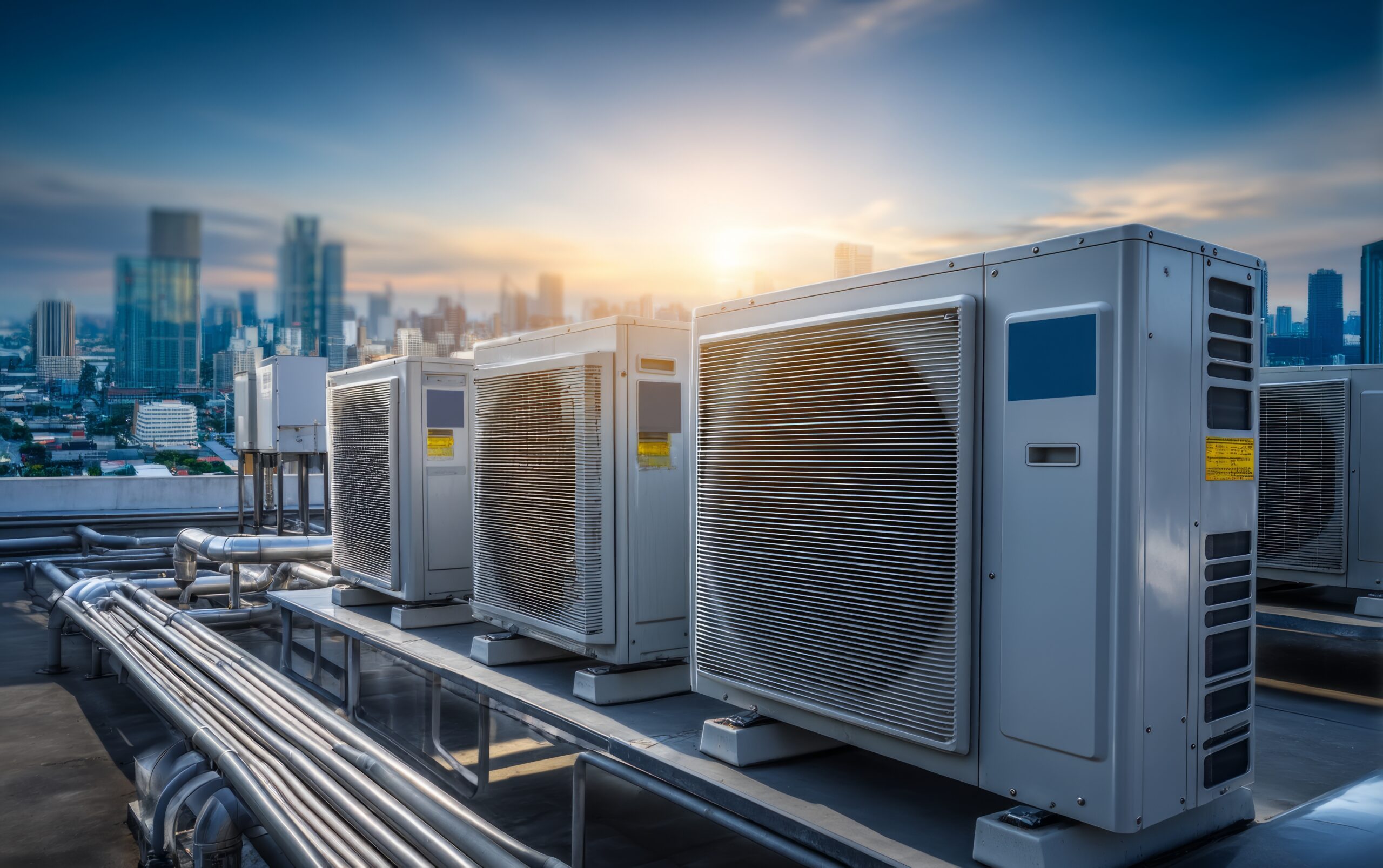
A rooftop HVAC unit that performs reliably through a mild Colorado spring can become a serious liability when a Denver heat wave arrives. For facility managers, property managers, and business owners responsible for commercial buildings, the failure of a rooftop unit during peak summer demand is not just an equipment problem. It is a business disruption, a tenant relations issue, a potential health and safety concern, and an unplanned capital expense that lands at the worst possible moment. Understanding why rooftop units fail during extreme heat, what the warning signs look like before failure occurs, and how preventative maintenance reduces emergency downtime is the knowledge that separates facilities that stay operational during Denver’s hottest weeks from those that do not. Aspire Building Services provides commercial HVAC expertise for Denver facilities managers who cannot afford to find out their equipment has a problem on a hundred-degree day.
Why Rooftop Units Are Uniquely Vulnerable During Heat Waves
Rooftop units operate in conditions that are significantly more demanding than their indoor counterparts, and those demands intensify during a heat wave in ways that accelerate the failure of components that were already showing wear.
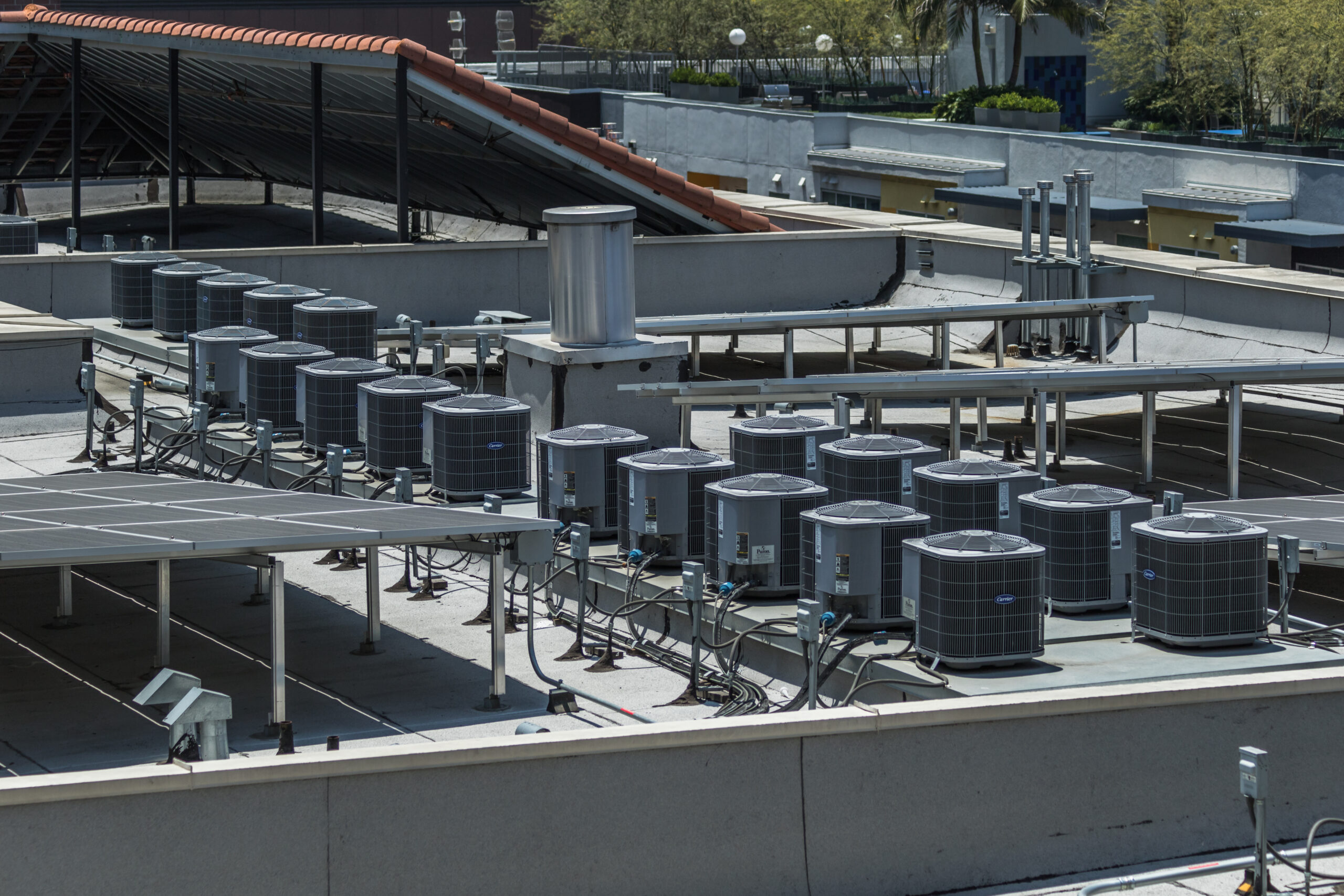
The rooftop environment during a Denver summer heat wave is extreme. The unit itself sits on a surface that can reach temperatures well above ambient air temperature as the roof absorbs solar radiation. The ambient air temperature the unit is rejecting heat into is at its highest point of the year. The building below is generating maximum internal heat load from occupants, lighting, equipment, and solar gain through windows and the roof itself. All of these factors converge simultaneously during a heat wave and they converge on equipment that may have already accumulated wear from years of operating in one of the most demanding installation environments in commercial HVAC.
The heat rejection function is what breaks down first under these conditions. A rooftop unit rejects the heat it removes from the building by pushing it into the outdoor air through the condenser coil. When the outdoor air temperature is ninety-five or above, the temperature differential between the refrigerant in the condenser and the outdoor air shrinks, making heat rejection less efficient and forcing the compressor to work harder to maintain the same cooling output. The compressor is the most expensive component in the unit and the one that fails most catastrophically under sustained overload.
The Most Common Failure Modes During Extreme Heat
Compressor failure is the outcome that facility managers most dread because it typically means a complete loss of cooling, a long parts lead time, and a repair bill that prompts serious reconsideration of whether the unit should be repaired or replaced. Compressors fail during heat waves for several reasons that are often interconnected.
Refrigerant issues are frequently the upstream cause of compressor failures during heat waves. A unit that is operating with low refrigerant due to a slow leak forces the compressor to work harder to achieve the same cooling output, generates higher operating temperatures and pressures, and can cause liquid refrigerant to return to the compressor in a condition that damages internal components. A unit that has been running adequately with a minor refrigerant deficit during mild weather may reach compressor failure during a heat wave because the deficit that was tolerable at eighty degrees is not tolerable at one hundred and five.
Condenser coil fouling is a maintenance-related failure mode that is particularly common on rooftop units because the rooftop environment exposes the condenser coil to cottonwood, dust, debris, and the residue from rooftop traffic and maintenance activities. A condenser coil that is partially blocked cannot reject heat efficiently, which raises operating pressures and temperatures across the entire refrigerant circuit and puts sustained stress on the compressor. Condenser coil cleaning is one of the most cost-effective preventative maintenance tasks for rooftop units precisely because its absence during a heat wave can cause compressor failures that cost orders of magnitude more than the cleaning would have.
Electrical component failures, including capacitor failure, contactor wear, and motor failures, are accelerated by high temperatures and by the sustained high-amperage operation that heat waves demand. Capacitors, which store and release the electrical charge needed to start compressor and fan motors, have a finite service life that is shortened by high operating temperatures. A capacitor that would have lasted another season under normal conditions may fail during a heat wave when it is cycling on and off repeatedly under thermal stress. Capacitor failure typically causes an immediate loss of cooling and is one of the more common emergency service calls during Denver heat waves.
Fan motor failures on both the condenser and evaporator sides of rooftop units cause rapid system degradation during heat waves. The condenser fan is responsible for moving air across the condenser coil to reject heat, and a failed or underperforming condenser fan motor causes the system to overheat rapidly under the high ambient temperature conditions of a heat wave. Early warning signs of fan motor problems include unusual noises from the unit, reduced airflow from supply registers inside the building, and visible changes in condenser fan operation during a rooftop inspection. Commercial HVAC services from Aspire Building Services cover the full range of rooftop unit diagnostics and repairs that Denver facilities require.
Warning Signs Before Complete Failure
The failure of a rooftop unit during a heat wave almost never occurs without warning. The warning signs are present in the days or weeks before the failure, and a facility manager who knows what to look for has an opportunity to address problems before they become emergencies.
Reduced cooling output from the unit before the heat wave arrives is one of the most consistent pre-failure indicators. If the building has been harder than usual to cool during the weeks leading up to a heat wave, the system is already showing signs of reduced capacity that will become more pronounced as outdoor temperatures rise. Tracking building comfort levels against weather conditions over time gives facility managers baseline information that makes anomalies visible before they become acute problems.
Unusual sounds from the rooftop unit during operation indicate mechanical wear that deserves immediate professional attention. Grinding, squealing, rattling, and intermittent clicking sounds all indicate specific types of mechanical wear that can be addressed before they cause complete failures. A rooftop inspection after hearing any of these sounds is always less expensive than the emergency service call that follows ignoring them.
Higher than normal energy consumption for the building without a corresponding increase in occupancy or operational activity suggests that the HVAC system is working harder than it should to deliver the same output. Monitoring energy consumption by building or by zone and comparing it to historical patterns for similar weather conditions is a practical early warning tool that facilities with building automation systems can implement at low cost. Indoor air quality solutions and overall building comfort monitoring can be part of the same integrated approach that identifies HVAC performance degradation before it reaches failure.
Tripped breakers or blown fuses associated with HVAC circuits are electrical warning signs that should never be reset without investigation. A breaker that trips under load is doing its job of protecting equipment from an overcurrent condition that could damage the compressor or other components. Repeatedly resetting a tripping breaker without identifying the root cause is a path toward a more serious and more expensive electrical failure.
Preventative Maintenance as the Primary Defense
The most reliable protection against rooftop unit failure during a Denver heat wave is a preventative maintenance program that addresses the specific failure modes described above before the season of peak demand arrives.
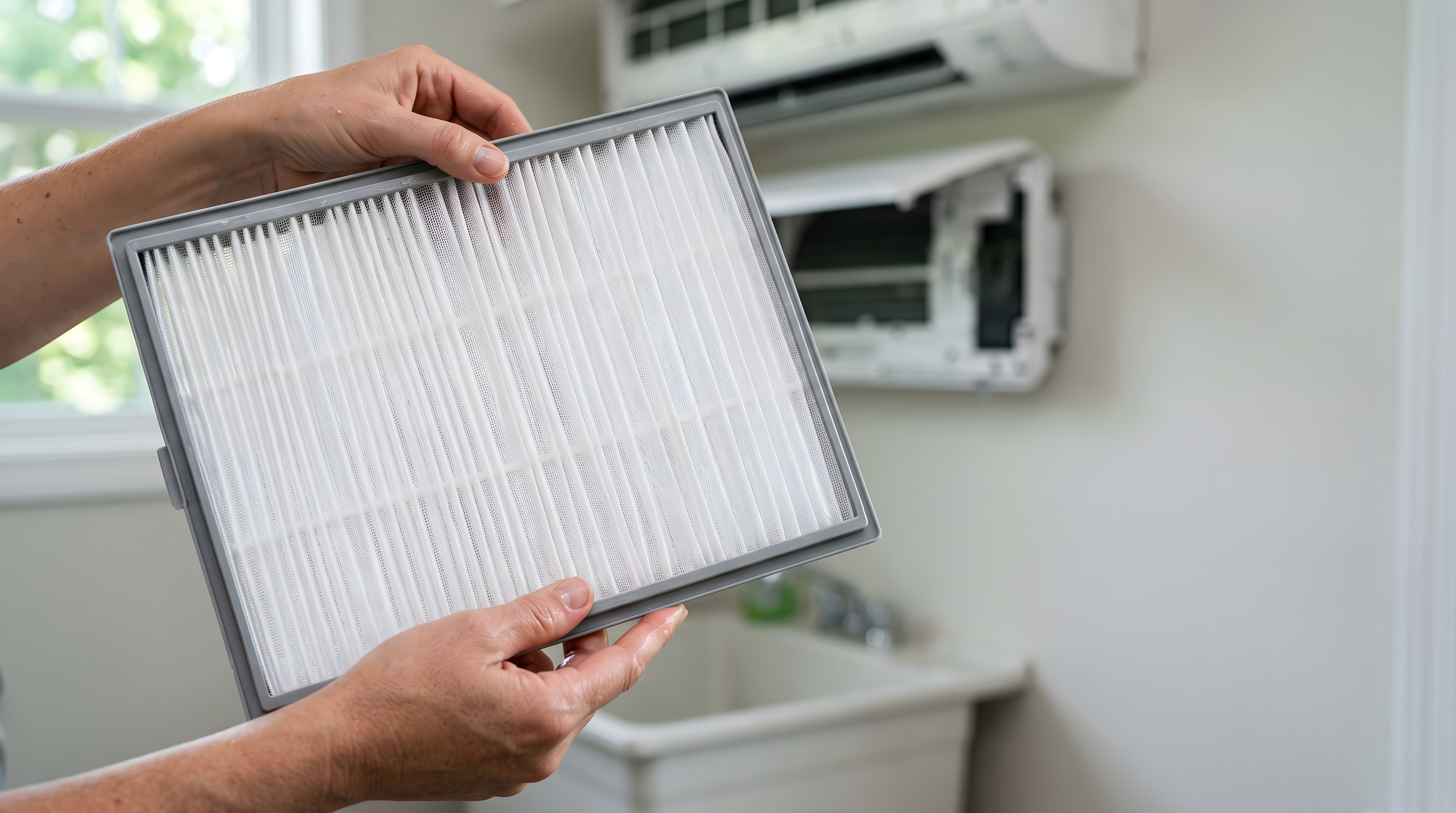
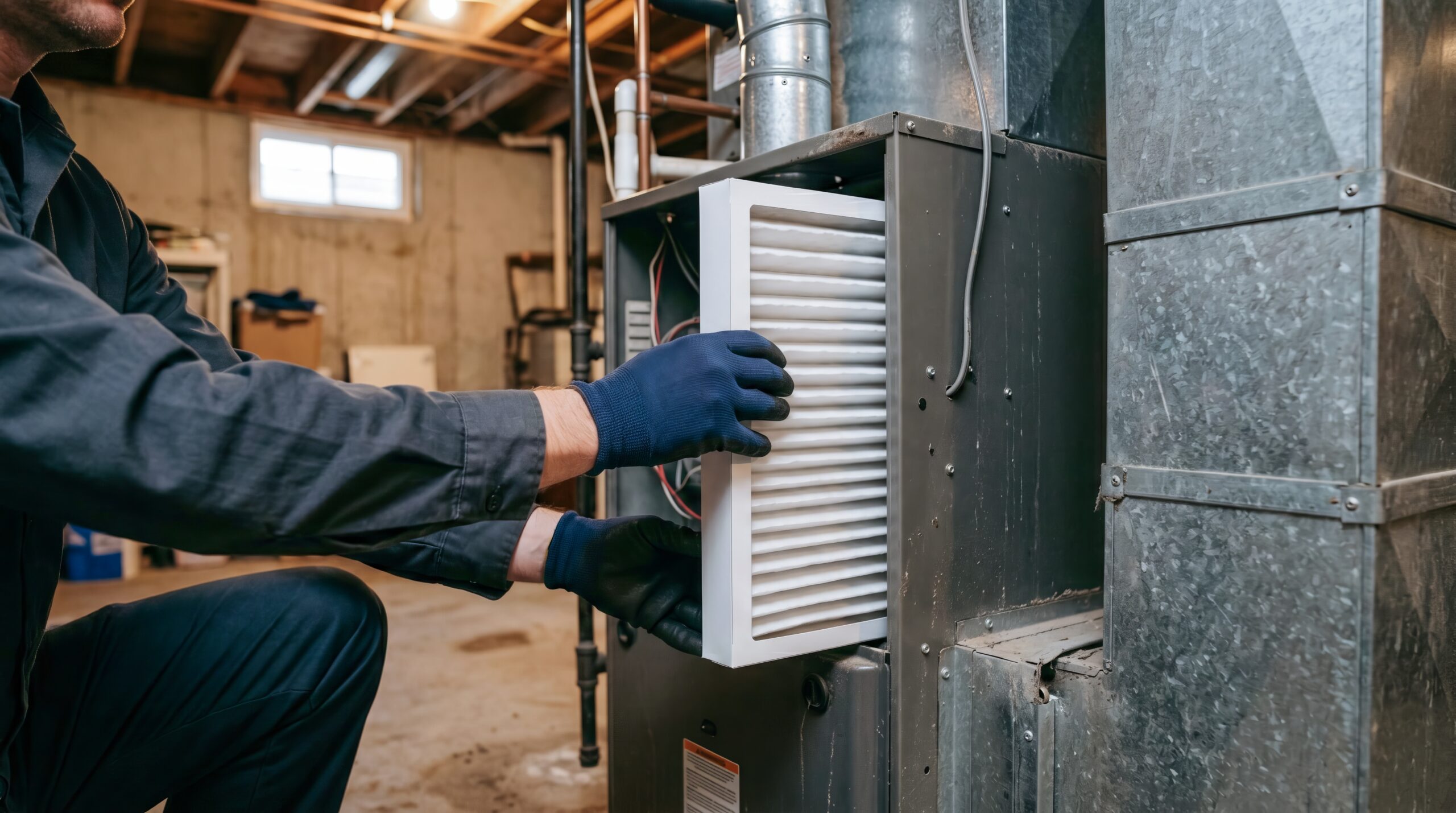
A properly executed spring maintenance visit for commercial rooftop units should include refrigerant level verification and leak testing, condenser coil cleaning, electrical component inspection and testing including capacitor testing, contactor inspection, and motor testing, lubrication of moving components, filter replacement, thermostat and controls verification, and a full operational test under conditions that simulate peak demand as closely as possible. Each of these tasks addresses a specific failure mode before the heat wave conditions that trigger it arrive.
The economics of preventative maintenance versus emergency repair are compelling for facility managers who are responsible for buildings where cooling loss has real operational consequences. An emergency service call during a Denver heat wave when every HVAC contractor is at maximum capacity involves premium labor rates, potential parts availability challenges, and the indirect costs of building discomfort or closure that dwarf the cost of a well-executed preventative maintenance program. Why seasonal HVAC maintenance saves money in Colorado details the financial case for preventative maintenance that applies directly to commercial rooftop unit programs.
The timing of preventative maintenance matters as much as its content. A maintenance visit in April or May, before Denver’s heat wave season begins in earnest, provides the maximum lead time to order parts, schedule follow-up repairs, and address any issues discovered during inspection without the time pressure of an imminent heat wave. A maintenance visit in late July, after the heat wave season has already begun, is better than nothing but provides much less protection than one completed in the spring.
Emergency Response When a Unit Fails During a Heat Wave
Despite the best preventative maintenance programs, rooftop unit failures during heat waves do occur, and having a defined emergency response approach before the failure happens produces significantly better outcomes than improvising after the fact.
Establishing a service relationship with a commercial HVAC contractor before an emergency occurs is the most important preparation a facility manager can make. Contractors prioritize existing service agreement customers during peak demand periods, and a facility that has no prior relationship with a contractor is competing for emergency service slots against customers who do. Aspire Building Services maintains service relationships with commercial facilities throughout Denver that provide priority response during heat wave emergencies.
Having basic equipment documentation readily available, including unit model numbers, serial numbers, age, and service history, accelerates the diagnostic process and parts procurement when emergency service is needed. A technician who arrives at a rooftop unit and has immediate access to this information can begin diagnosis and parts identification without the delays that come from working on an unfamiliar, undocumented unit.
Identifying temporary cooling options for the most critical building areas before an emergency is a contingency planning step that reduces the operational impact of a cooling failure. Portable cooling units for server rooms, occupied office areas, and retail spaces can be pre-identified and contracted for rapid deployment if the primary cooling system fails during a heat wave.
Frequently Asked Questions About Rooftop HVAC Failures During Denver Heat Waves
How long do commercial rooftop HVAC units typically last in Denver?
Commercial rooftop units in Denver typically have a service life of fifteen to twenty years under normal operating conditions with proper maintenance. Units that operate without regular preventative maintenance, that have had recurring refrigerant issues, or that have experienced significant electrical component failures may have effectively shorter service lives. Denver’s climate, with its combination of summer heat, UV exposure, hail risk, and temperature cycling, is harder on rooftop equipment than more temperate climates.
What is the most common reason rooftop units fail during heat waves?
Compressor failure is the most common complete failure mode during heat waves, and it is almost always preceded by one or more contributing factors, including low refrigerant, dirty condenser coils, electrical component wear, or inadequate preventative maintenance. The heat wave itself is typically the condition that pushes a unit with pre-existing issues over the threshold from reduced performance into complete failure.
Should I repair or replace a rooftop unit that fails during a heat wave?
The repair versus replacement decision for a failed commercial rooftop unit depends on the age of the unit, the nature and cost of the repair, the unit’s maintenance history, and the availability of replacement parts. A unit that is over fifteen years old and has failed due to compressor failure may be a stronger replacement candidate than a newer unit with an electrical component failure. HVAC repair versus replacement guidance helps facility managers think through this decision systematically.
How quickly can a failed rooftop unit typically be repaired during a Denver heat wave?
Response and repair times during peak heat wave periods depend heavily on parts availability and contractor capacity. Electrical component failures, including capacitor and contactor replacements, can often be resolved in a single service visit. Compressor failures requiring compressor replacement or full unit replacement involve longer lead times for parts procurement and may require temporary cooling measures while repairs are completed.
What should I do immediately when a rooftop unit fails during a heat wave?
Contact your HVAC service provider immediately and provide the unit model and serial number, the symptoms of failure, and the building occupancy situation so the provider can assess urgency and prioritize response appropriately. Identify and implement any temporary cooling measures available for critical areas. Document the failure for insurance and warranty purposes.
How do I establish a preventative maintenance program for my Denver commercial HVAC equipment?
Contact Aspire Building Services to discuss a preventative maintenance program tailored to your facility’s rooftop equipment, occupancy schedule, and operational requirements. A well-designed maintenance program is the most reliable protection against heat wave failures and the emergency costs that accompany them.
Prevention Is Always Less Expensive Than Emergency Repair
The rooftop HVAC units that fail during Denver heat waves almost always had warning signs that were missed or deferred. The compressors that burn out in August almost always had refrigerant deficits, dirty coils, or electrical component wear that a spring maintenance visit would have caught. The facility managers who avoid heat wave emergencies are the ones who treat preventative maintenance as a non-negotiable operational investment rather than a cost to be deferred. Aspire Building Services delivers the commercial HVAC expertise that Denver facilities need to stay operational when the temperature climbs. Contact us to discuss a maintenance program for your rooftop equipment before the next heat wave arrives.